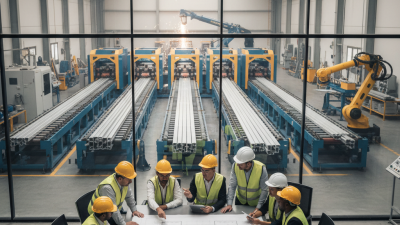
Aluminium Ceiling Extrusion Benefits for Global Buyers?
Aluminium Ceiling Extrusion offers several advantages for global buyers. This innovative building material is gaining traction worldwide. According to a report by MarketsandMarkets, the global aluminum extrusion market is projected to reach USD 145.5 billion by 2025. With such growth, understanding its benefits becomes vital.
One of the primary advantages of Aluminium Ceiling Extrusion is its lightweight nature. This reduces transportation costs. Moreover, its durability ensures long-term performance. The ability to be tailored to various designs makes it appealing to architects and interior designers. The design flexibility encourages creativity in spaces, enhancing aesthetic value.
While many recognize these advantages, some challenges persist. Sourcing quality extrusion products can be difficult. Buyers may also face varying standards across countries. Therefore, due diligence is essential. Understanding local regulations and supplier reliability is crucial when investing in Aluminium Ceiling Extrusion.
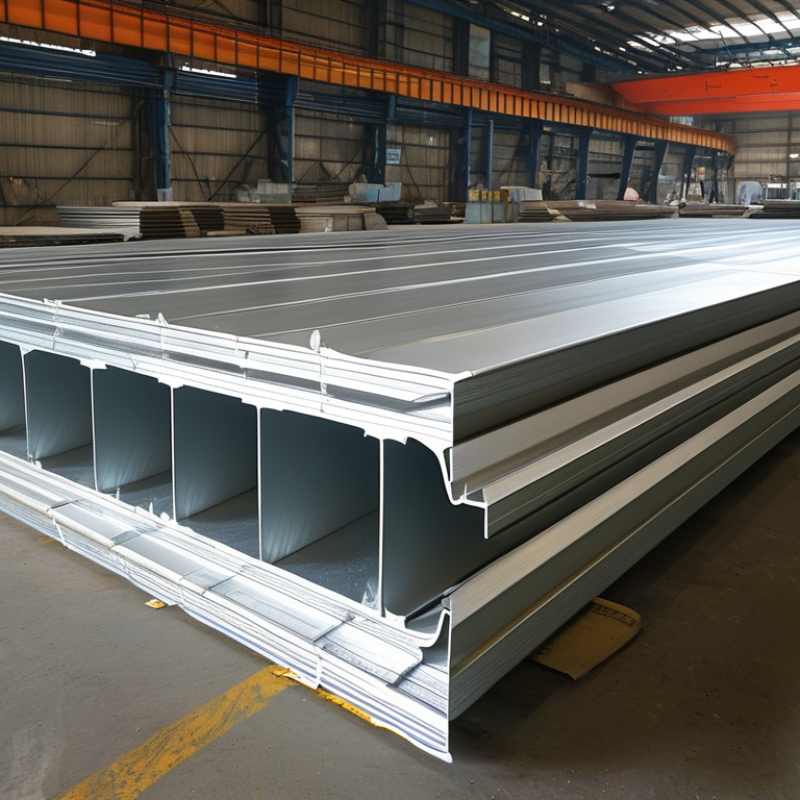
Benefits of Aluminium Ceiling Extrusions for Global Buyers
Aluminium ceiling extrusions are gaining traction among global buyers for their
versatility and environmental benefits.
These products are lightweight, durable, and resistant to corrosion,
making them suitable for various applications. According to the Global Aluminium Extrusions Market report,
the demand for aluminium extrusions is projected to grow at a CAGR of 5.2%
from 2022 to 2027. This growth indicates a strong shift towards materials that offer both practicality and sustainability.
From an aesthetic perspective, aluminium ceiling extrusions can be designed in various styles.
Customization options allow buyers to create unique environments. Moreover, they can accommodate different
lighting solutions, enhancing interior designs innovatively. However, the initial investment for
high-quality extrusions may deter some buyers.
Balancing cost with long-term benefits remains a critical consideration.
On the environmental front, aluminium is 100% recyclable,
which aligns with global sustainability trends. Builders and designers are more focused on eco-friendly materials.
Studies show that recycled aluminium uses 95% less energy
than producing virgin aluminium. Yet, not all suppliers prioritize sustainable practices.
Buyers must conduct thorough research to ensure they choose reliable partners who uphold environmental standards.
Key Features of Aluminium Ceiling Extrusions in Modern Architecture
Aluminium ceiling extrusions have become increasingly popular in modern architecture. They offer a myriad of benefits, making them an attractive choice for designers and builders. One key feature is their lightweight nature. Aluminium ceilings can reduce structural load, a significant advantage in high-rise buildings. According to a report from the Aluminum Association, using aluminium can lower overall material costs by up to 20% when compared to traditional materials.
Another notable aspect is their flexibility in design. Aluminium extrusions can be customized in a variety of shapes and finishes, allowing architects to create unique aesthetics. The durability of aluminium is also impressive. It can withstand harsh environmental conditions without warping or losing its finish. Data from the American Institute of Architects shows that over 40% of new commercial buildings incorporate aluminium elements, highlighting its relevance in contemporary construction projects.
However, there are challenges to consider. Aluminium can be subject to corrosion, particularly in coastal areas. Proper protective coatings are essential to maintain longevity. Additionally, while the initial cost may be lower, maintenance expenses can rise if not managed correctly. These considerations emphasize the need for careful planning and expert advice when incorporating aluminium ceiling extrusions into architectural designs.
Cost-Effectiveness of Aluminium Ceiling Extrusions for Buyers
Aluminium ceiling extrusions offer significant cost savings for global buyers. These products are lightweight yet durable. This combination reduces shipping costs, a major factor for international buyers. The longevity of aluminium also means lower maintenance expenses over time. Unlike other materials, aluminium doesn’t warp or rust.
Buyers can customize aluminium extrusions to fit specific design needs. This flexibility can lead to a more efficient construction process. It reduces the likelihood of costly adjustments during installation. However, not all suppliers may meet quality standards. Conducting thorough research before purchasing is essential.
The initial investment can vary widely. Buyers should analyze the long-term benefits of aluminium extrusions. Sometimes, cheaper options lead to higher costs down the line. A careful evaluation of materials can prevent future headaches. Quality assurance is critical. Investing time upfront can improve overall project success.
Sustainability and Recyclability of Aluminium Ceiling Products
Aluminium ceiling products stand out for their sustainability and recyclability. Aluminium is a durable material that can last for decades. It is essential in architectural design, serving both functional and aesthetic purposes. According to the International Aluminium Institute, approximately 75% of aluminium produced is still in use today. This notable recycling rate enhances its appeal for global buyers focused on eco-friendly materials.
The production of aluminium ceilings significantly reduces environmental impact. More than 90% of aluminium can be recycled without losing its properties. This reusability helps lower energy consumption and greenhouse gas emissions. Reports indicate that recycling aluminium saves up to 95% of the energy required for primary production. Consequently, the shift towards aluminium ceiling products aligns with sustainable building practices today.
While the benefits are substantial, there are challenges. The initial manufacturing process requires significant energy input. Additionally, some buyers may overlook the life cycle impact. Understanding these factors is vital when considering aluminium for ceiling applications. The goal is to foster a more informed approach towards sustainable choices in construction and design. This awareness can lead to more responsible procurement practices in the industry.
Versatility and Design Flexibility of Aluminium Ceiling Extrusions
Aluminium ceiling extrusions offer remarkable versatility and design flexibility, making them a popular choice among architects and designers. The lightweight nature of aluminium allows for intricate designs and forms that can adapt to any space. Its scalable properties enable buyers to create ceiling systems that meet unique aesthetic and functional needs. The variety of textures and finishes available enhances their appeal, fostering creativity in design.
The malleability of aluminium enables custom shapes that traditional materials cannot match. Clients can choose from sleek linear profiles to bold geometric patterns. However, not every design transition is seamless; some may require adjustments during installation. It's essential for buyers to collaborate closely with specialists who understand the nuances of both design and structural integrity. Understanding local regulations can also pose challenges, potentially complicating the selection process.
Incorporating aluminium extrusions into a project often involves balancing aesthetics with practicality. While these materials are known for their durability, they also require thoughtful placement to maximize visual impact. Buyers might find conflicts between innovative designs and traditional expectations. It’s crucial to maintain open communication with stakeholders to navigate these complexities, ensuring that the final output aligns with the original vision while remaining functional.