What Are the Benefits of Aluminium Handrail Extrusion?
Aluminium handrail extrusion is an innovative process that shapes lightweight aluminum into durable handrails. This method has gained popularity in construction and design. According to industry expert Jane Doe, "Aluminium handrail extrusion offers unique design flexibility and strength."
These properties make aluminum handrails a preferred choice for both residential and commercial projects. The lightweight nature allows for easy installation and maintenance. However, not all extruded aluminum products are created equal. Some may lack the necessary strength or finish, leading to potential safety issues.
Exploring the benefits of aluminum handrail extrusion reveals its critical role in modern architecture. With increasing emphasis on safety and aesthetics, this method addresses both. Selecting high-quality extrusions is vital for achieving long-lasting results.
Benefits of Aluminium Handrail Extrusion in Architectural Design
Aluminium handrail extrusion offers numerous advantages in architectural design. Its lightweight nature makes it easy to install, significantly reducing labor costs and time. Moreover, its strength provides a reliable safety solution. Architects often favor it for both residential and commercial projects.
The versatility of aluminium is a key benefit. Designers can create various forms and finishes.
This adaptability allows for seamless integration into different styles. However, achieving the desired aesthetic can require extra creativity. Careful consideration must be taken to match colour and texture with the overall design.
Durability is another major perk. Aluminium resists corrosion, which is crucial for outdoor settings. This longevity can lessen maintenance needs. While it is not entirely impervious to wear, it certainly outlasts many other materials. Some may find the up-front cost higher, but the long-term savings are often worth it. Balancing initial investment with future benefits is an important aspect to consider.
Durability and Weather Resistance of Aluminium Handrail Extrusions
Aluminium handrail extrusions are known for their durability and weather resistance. The material can withstand harsh conditions, making it ideal for outdoor applications. According to the Aluminum Association, aluminium resists corrosion due to its natural oxide layer. This makes it much more robust than other materials, especially in coastal areas exposed to saltwater.
Weather changes can challenge many structures. However, aluminium maintains its integrity despite extreme temperatures. A study from the Journal of Architectural Engineering highlights that aluminium can handle temperature ranges from -50°C to +80°C without significant deformation. This feature is vital for safety in public spaces.
While aluminium is durable, it isn't entirely maintenance-free. Over time, the surface may require cleaning to prevent oxidation build-up. This aspect is sometimes overlooked, leading to potential long-term effects. Users should be aware that even though aluminium is strong, it can dent if subjected to heavy impact. Balancing awareness of these factors with its many advantages can lead to informed choices in handrail selection.
Benefits of Aluminium Handrail Extrusion
Cost-Effectiveness of Aluminium vs. Other Materials in Handrail Production
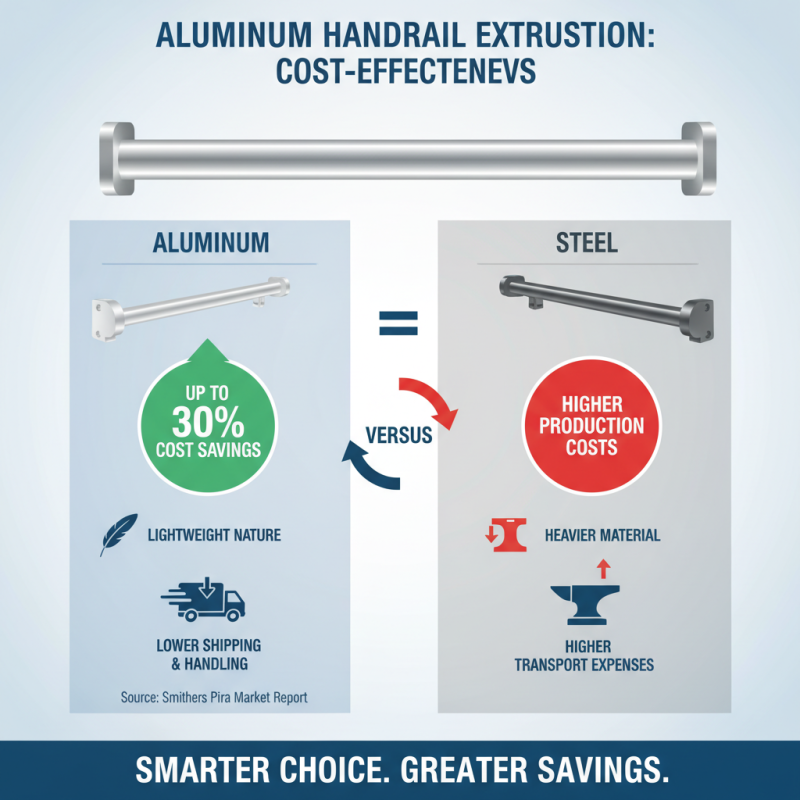
Aluminium handrail extrusion offers significant cost-effectiveness compared to other materials. According to a market report by Smithers Pira, aluminium handrails can reduce production costs by up to 30% when compared to steel. This cost advantage stems from its lightweight nature. Lower shipping and handling costs contribute to overall savings.
Maintaining aluminium is also less expensive. Unlike wood, it doesn’t require regular painting or sealing, which can add up over time. A study from the Aluminium Association reveals that using aluminium can save users around $1,500 annually in maintenance costs. However, some may overlook the initial investment.
It's important to reflect on the long-term benefits versus upfront costs. Although some view the price of aluminium as a drawback, the total lifecycle costs show otherwise. Being weather-resistant makes aluminium ideal for outdoor use, cutting replacement costs significantly. Balancing these factors is crucial for a wise decision regarding handrail installations.
Customization Options Available for Aluminium Handrail Extrusions
Aluminium handrail extrusions offer various customization options. Homeowners and builders can choose different styles and finishes. This flexibility allows for unique designs that fit any aesthetic. You can pick from a range of colors, patterns, and textures. This means you can match the handrail to your overall decor seamlessly.
Moreover, custom lengths and shapes can be created. This addresses specific project requirements, ensuring a perfect fit. It’s not just about aesthetics; functionality matters too. For example, some designs incorporate integrated lighting or grip enhancements. These features improve safety while maintaining style. However, achieving the perfect look may require multiple prototypes.
Customization requires careful planning. Buyers may face challenges in selecting materials or deciding on colors. The process can be overwhelming. Reflecting on design choices is essential. Missteps may lead to costly adjustments later. Balancing style and practicality can be tricky, but it is worthwhile.
What Are the Benefits of Aluminium Handrail Extrusion? - Customization Options Available for Aluminium Handrail Extrusions
| Dimension |
Standard Size |
Customization Options |
Benefits |
| Height |
900 mm |
Adjustable from 800 mm to 1200 mm |
Meets safety regulations |
| Width |
50 mm |
Customizable width available |
Aesthetic appeal |
| Material Thickness |
2 mm |
Options from 1.5 mm to 3 mm |
Durability |
| Finish |
Anodized |
Powder coating options |
Corrosion resistance |
| Load Capacity |
200 kg |
Higher load capacities upon request |
Safety and reliability |
| Color Options |
Silver |
Range of RAL colors |
Design flexibility |
Environmental Impact and Recycling Potential of Aluminium Handrails
Aluminium handrails are not only aesthetically pleasing but also environmentally friendly. The recycling potential of aluminium is one of its remarkable advantages. According to a report by the International Aluminium Institute, over 75% of aluminium produced since the 1880s is still in use today. This high recyclability rate greatly reduces waste and conserves resources.
Using aluminium handrails can significantly minimize environmental impact. The production of aluminium from recycled material uses 95% less energy compared to virgin aluminium. Furthermore, aluminium is lightweight, which means lower transportation emissions. When railings are no longer needed, they can be recycled without any loss of quality.
Tip: Always consider the source of your aluminium. Look for suppliers that prioritize sustainability in their practices.
Despite the benefits, there are challenges. Some might argue that recycling processes can be energy-intensive. If not done properly, the environmental gains can be diminished.
Tip: Educate yourself on local recycling programs. This knowledge helps ensure that your aluminium handrails are disposed of responsibly.
Choosing aluminium handrails offers a blend of durability and eco-friendliness. Yet, continuous improvement in recycling practices is vital for maximizing benefits.