Top 10 Benefits of Using Broken Bridge Aluminum Profiles for Construction?
In the realm of modern construction, the choice of materials plays a pivotal role in ensuring durability and energy efficiency. Among these materials, Broken Bridge Aluminum Profiles stand out due to their innovative design. They provide excellent thermal insulation, making buildings more energy efficient. This quality is crucial in today’s world, where climate concerns are rising.
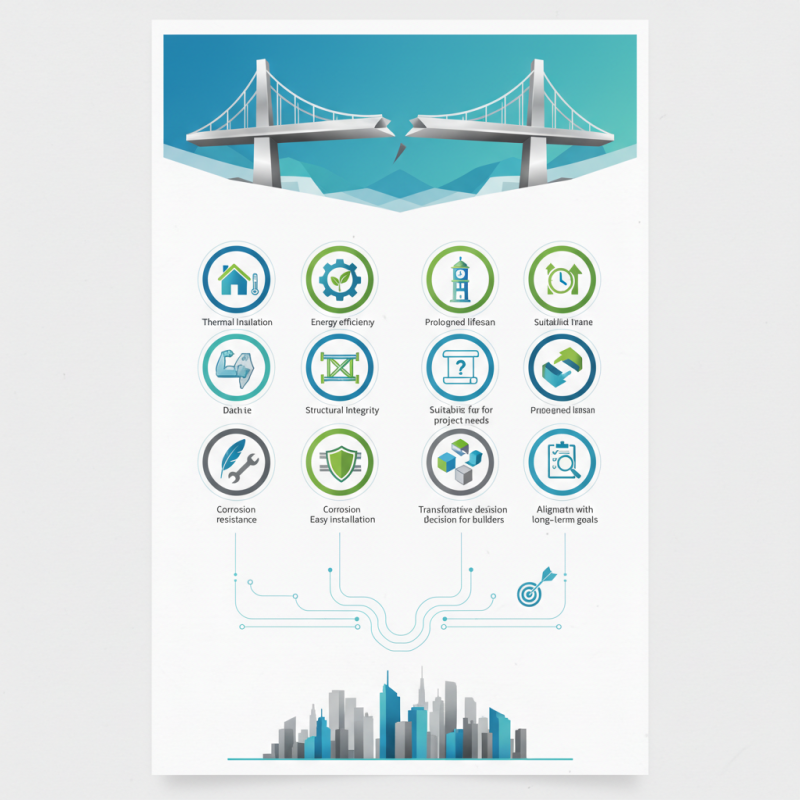
Using Broken Bridge Aluminum Profiles can lead to enhanced structural integrity. Their lightweight nature makes them easy to handle during installation. Moreover, they are resistant to corrosion, which prolongs the lifespan of constructions. However, it is essential to understand that not all projects may benefit equally from these profiles. Some buildings might require different solutions based on specific design needs.
Embracing Broken Bridge Aluminum Profiles can be a transformative decision for builders. While they offer numerous advantages, careful consideration is essential. Factors like project scope and local conditions must be evaluated. Ultimately, the choice should align with both immediate needs and long-term goals in construction.
Advantages of Lightweight Characteristics in Construction Projects
The lightweight characteristics of broken bridge aluminum profiles change construction dynamics. These profiles significantly reduce the overall weight of structures. This leads to easier handling and faster assembly on site. Workers can lift and position materials with less effort. This efficiency can speed up project timelines and reduce labor costs.
Moreover, lightweight materials allow for innovative designs. Architects can create sleeker buildings with higher aesthetic appeal. However, the challenge comes with ensuring structural integrity. It's vital to balance lightweight design with strength. Over-reliance on lighter materials might compromise durability.
Projects using broken bridge aluminum benefit from lower transportation costs. These profiles require less fuel and effort to move. Nonetheless, not all projects may suit this material. It's crucial to assess specific project needs before making a switch. Choosing materials requires thorough analysis and sometimes may invite debate among teams.
Top 10 Benefits of Using Broken Bridge Aluminum Profiles for Construction
This bar chart illustrates the top benefits of using broken bridge aluminum profiles in construction projects. Each benefit is rated on a scale from 1 to 10, demonstrating the perceived advantages in areas such as lightweight characteristics, durability, and thermal insulation. This showcases why these profiles are increasingly popular in modern construction.
Enhanced Thermal Insulation Properties of Broken Bridge Aluminum Profiles
Broken bridge aluminum profiles are gaining popularity in construction. Their enhanced thermal insulation properties are noteworthy. According to the latest data from the Aluminum Association, these profiles can significantly reduce heat transfer. This reduction helps maintain a stable indoor temperature and improves energy efficiency.
These profiles feature a thermal break between the inner and outer aluminum layers. This thermal break effectively minimizes condensation and heat loss. Studies show that using broken bridge designs can improve insulation performance by up to 30%. This is a notable consideration for architects aiming for energy-efficient buildings.
Furthermore, the insulation capabilities can lead to lower energy bills. Homeowners may save between 20% to 30% on heating and cooling costs. Despite these benefits, some projects may not fully utilize their potential. Proper installation and quality materials are crucial for maximizing performance. Inconsistent application methods can lead to reduced effectiveness. It’s essential to prioritize quality throughout the construction process.
Corrosion Resistance: A Key Benefit for Long-lasting Structures
Corrosion resistance stands out as a vital benefit of
broken bridge aluminum profiles in construction. These profiles
actively prevent deterioration, enhancing longevity. Unlike traditional materials, aluminum profiles resist rust
and decay, which leads to lower maintenance costs. Imagine a structure lasting decades with minimal repairs.
This is not only practical but also financially advantageous.
Another aspect worth noting is the environmental resilience these profiles
offer. Weather conditions—rain, snow, and humidity—pose challenges to many materials. Yet, broken bridge aluminum stays structurally sound. However, not all installations maximize these benefits.
Sometimes, poor workmanship can lead to water accumulation, hindering the aluminum's effectiveness. It is crucial to ensure
proper drainage solutions during construction to achieve optimal performance.
Visualize a bridge or building that retains its aesthetic appeal over time. Broken bridge aluminum allows for sleek designs without compromising durability. However, the initial investment can be daunting for some projects.
It requires careful consideration of long-term savings versus upfront costs. The choice, while clear for many, can still provoke hesitation among budget-conscious planners. This balance between immediate expense and future benefit invites ongoing reflection.
Cost-Effectiveness of Using Broken Bridge Aluminum in Construction
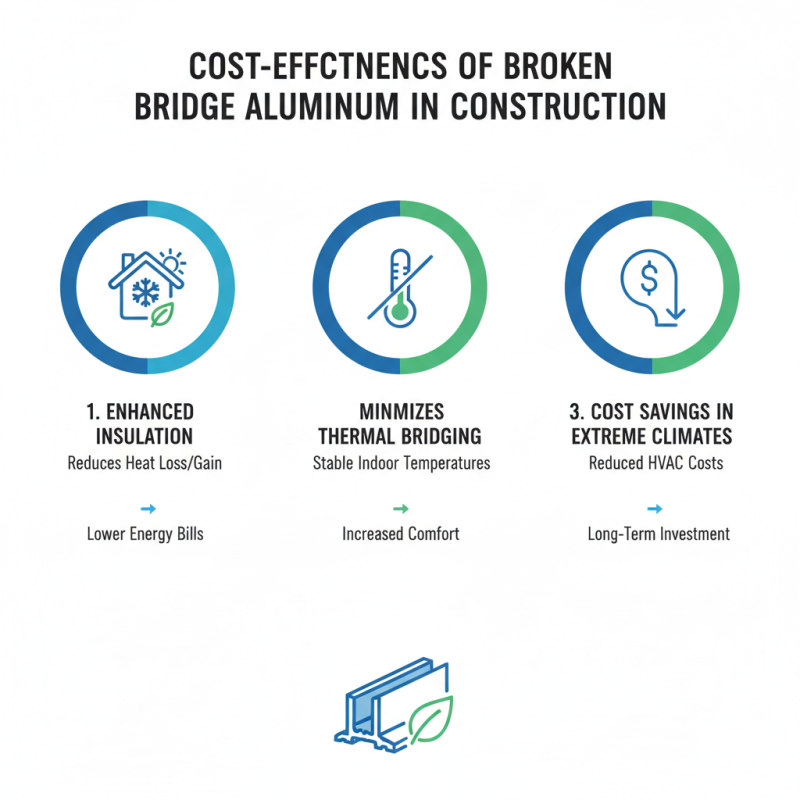
Using broken bridge aluminum profiles in construction can significantly enhance cost-effectiveness. These profiles provide excellent insulation, which can reduce energy bills. By minimizing thermal bridging, they help maintain comfortable indoor temperatures. This feature can be particularly beneficial in climates with extreme temperatures, where heating or cooling costs can skyrocket.
Tips: Invest in quality insulation. It can amplify the energy efficiency of your building, leading to long-term savings.
Another advantage is their lightweight nature. Broken bridge aluminum profiles are easier to handle and install than traditional materials. This can lower labor costs and reduce construction time. Additionally, they require less maintenance, which saves money in the long run. However, proper handling is crucial. If not, minor damages can arise during installation.
Tips: Always train your team in proper handling techniques. Preventing small damages can avoid costly repairs later.
While the initial investment may seem high, the durability and efficiency of broken bridge aluminum profiles ultimately lead to lower overall costs. However, it’s essential to carefully assess your project’s needs. Not all projects benefit equally from this material. Being mindful of these factors can ensure you capitalize on the advantages.
Design Flexibility and Aesthetic Appeal of Aluminum Profiles in Buildings
Aluminum profiles are becoming popular in modern construction. They offer remarkable design flexibility. Architects appreciate how these profiles can adapt to various styles. From sleek and minimalist to bold and innovative, the choices are vast. The lightweight nature of aluminum allows for unique structures that were once challenging to achieve.
Buildings made with aluminum profiles have an aesthetic appeal. The shiny finish gives a contemporary look. Unlike some materials, aluminum resists corrosion, maintaining its visual charm over time. However, achieving perfect alignment during installation can be tricky. If not handled carefully, it may lead to uneven surfaces.
In addition, the versatility of colors and finishes enhances the overall design. Aluminum can be painted or anodized to match different themes. This flexibility can lead to creative expressions and distinctive styles. But does this mean every design works flawlessly? Not always. Some combinations might clash. This highlights the importance of planning in utilizing aluminum profile designs.