Best Aluminium Casement Window Profiles for Global Buyers?
In today's competitive market, choosing the right Aluminium Casement Window Profiles is crucial for buyers worldwide. These profiles offer excellent durability and aesthetic value. With various designs available, selecting the perfect one can be overwhelming.
Understanding the specific needs of different climates and architectural styles is essential. Profiles must withstand harsh weather conditions while providing energy efficiency. Attention to detail in quality and design can significantly impact overall satisfaction.
Moreover, there are challenges buyers face when navigating this market. There is a wide range of manufacturers and varying standards. Buyers need reliable information to make informed decisions. It is vital to consider not just appearance but also performance and longevity of these profiles. Making the right choice can lead to enhanced homes and satisfied clients.
Top Characteristics of Aluminium Casement Window Profiles
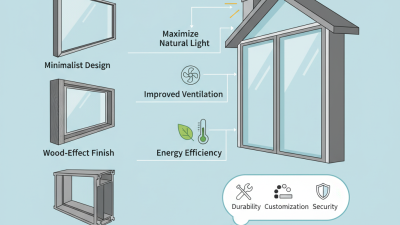
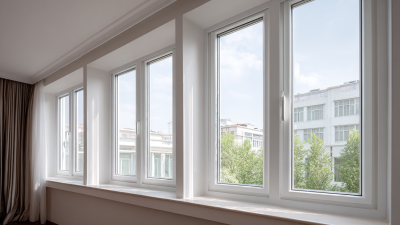
Aluminium casement window profiles are popular for their numerous advantages. They offer excellent durability and energy efficiency. The lightweight nature of aluminium allows for larger window designs, creating more light in your space. These windows resist corrosion, making them suitable for various climates.
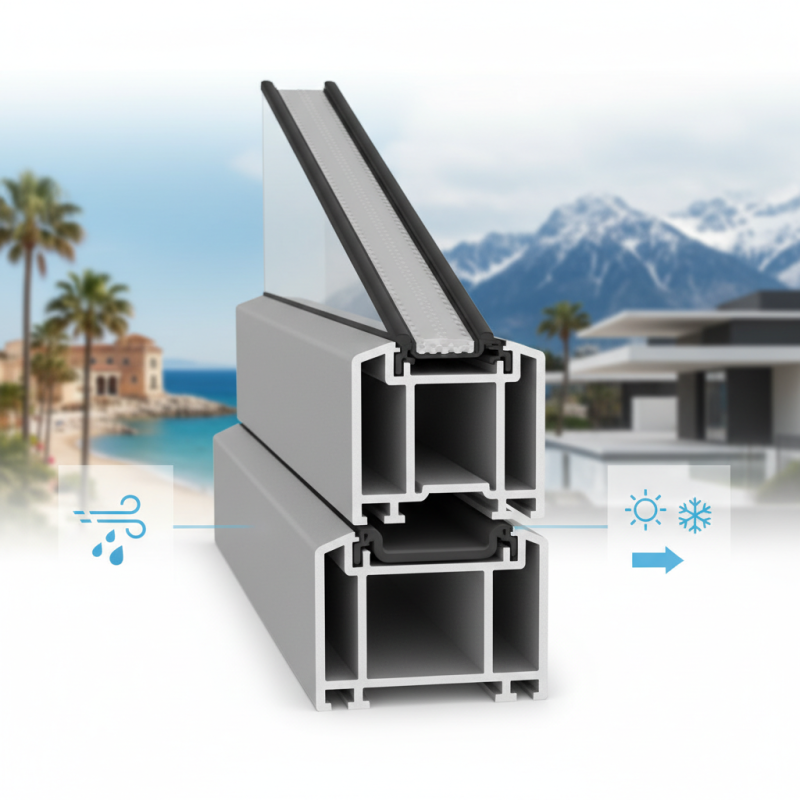
One key characteristic is the thermal performance. Aluminium frames can include thermal breaks, which enhance insulation. This feature helps maintain comfortable indoor temperatures. Additionally, their sleek look complements modern architecture. Aesthetics and performance work hand in hand here.
Tips: When selecting aluminium casement windows, check for energy ratings. Look for models that emphasize eco-friendliness. Understanding different finishes can enhance visual appeal.
It's important to consider the installation process. Careful fitting ensures no air leaks. Poor installations lead to issues like condensation. Think critically about the products available. Researching local regulations is equally essential for compliance and functionality.
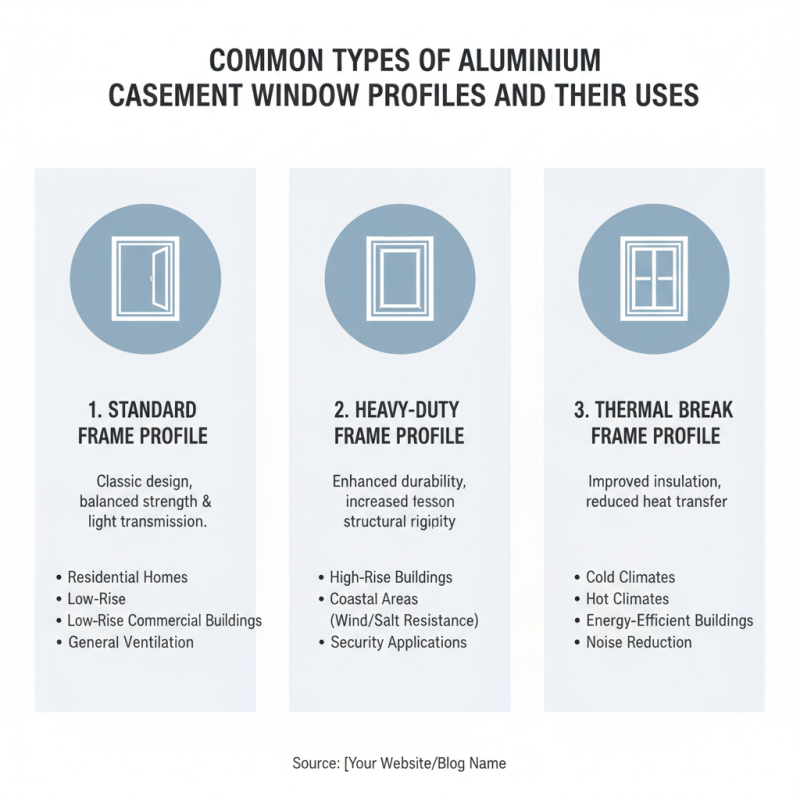
Common Types of Aluminium Casement Window Profiles and Their Uses
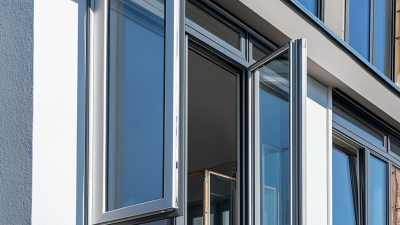
Aluminium casement windows are popular choices for many building projects. They offer excellent ventilation and natural light. Various profiles provide specific advantages, making them suitable for different environments.
Common types include the standard casement profile, ideal for traditional homes. These frames are robust and weather-resistant. Another type is the low-profile design, which maximizes views. They blend well with modern aesthetics. Additionally, multi-point locking systems enhance security, making these windows both functional and safe.
Some profiles are tailored for coastal regions. These designs ensure corrosion resistance against salty air. Alternatively, energy-efficient profiles help reduce heating costs. They feature thermal breaks for better insulation. The range of options can be overwhelming, but knowing the intended use can clarify choices. Each profile has strengths and weaknesses, requiring careful consideration to match architecture and lifestyle needs.
Key Benefits of Choosing Aluminium Casement Windows for Your Home
Aluminium casement windows offer numerous advantages for homeowners. They are lightweight yet robust, making them an excellent choice for various climates. Their resistance to corrosion ensures a long lifespan, even in harsh weather conditions. Homeowners appreciate their thermal efficiency, as these windows help maintain indoor temperatures effectively.
Additionally, the aesthetic versatility of aluminium casement windows is noteworthy. They come in various colors and finishes, allowing for customization to fit any architectural style. A common concern is the potential high initial cost, but many find that the long-term savings on maintenance and energy bills justify the investment. The sleek design can also enhance the overall appearance of a home, adding to its market value.
Though the benefits are clear, buyers must consider installation quality. Poor installation can lead to issues such as leaks or drafts. Ensuring that professional help is sought for this process can mitigate those risks. Evaluating the installation process and understanding the material properties are crucial in making an informed decision.
Factors to Consider When Selecting Aluminium Casement Windows
When selecting aluminium casement windows, several factors warrant attention. First, consider the window profile's design and durability. A good profile should withstand harsh weather conditions while maintaining aesthetic appeal. Look for energy-efficient profiles that offer excellent insulation properties. This helps in reducing energy bills.
Review the profiles for ease of maintenance. Aluminium windows generally require less upkeep than other materials. However, the coating and finishing can determine their longevity. Choose profiles with a high-quality finish, which resists corrosion and fading.
Installation is another critical aspect. An effective profile should allow for easy installation while ensuring proper sealing against drafts. Misalignment can lead to energy loss and discomfort. Lastly, research suppliers’ reliability. Seek profiles with a proven track record of performance and customer satisfaction. This exploration will help you make informed choices that enhance your living space.
Best Aluminium Casement Window Profiles - Key Factors
Global Suppliers of Aluminium Casement Window Profiles and Trends
Aluminium casement windows are gaining traction globally due to their durability and aesthetic appeal. These windows offer excellent insulation and security features. Many global suppliers are now focusing on sustainability and energy efficiency. This trend reflects a growing demand for eco-friendly building materials.
Emerging suppliers are adopting advanced manufacturing techniques. This innovation leads to enhanced performance and better design options. However, not all suppliers meet the required quality standards. Buyers must carefully assess the credibility of manufacturers. Reliable sources often publish independent reviews and certifications.
Additionally, the market is witnessing a rise in customization. Different styles and finishes appeal to diverse architectural preferences. Some manufacturers are experimenting with colors and textures. This shift allows buyers to create unique looks for their homes. Yet, over-customization may complicate maintenance. Buyers should consider practicality alongside aesthetics.