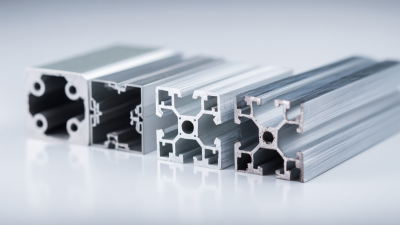
2026 Best Aluminium Extrusion Profile for Global Buyers?
In 2026, the demand for Aluminium Extrusion Profiles continues to grow worldwide. As global buyers seek reliable solutions, understanding these profiles' varieties and applications is crucial. Aluminium Extrusion Profiles offer unique benefits, like durability and versatility. They play vital roles in industries ranging from construction to automotive.
However, not every profile suits every need. Buyers often struggle with selecting the right options. Selecting an Aluminium Extrusion Profile requires insight into material properties, manufacturing techniques, and industry standards. It’s essential for buyers to consult with experts and consider their specific applications carefully.
Quality matters significantly in this market. Not all suppliers provide the same level of expertise and reliability. Some manufacturers may lack the necessary certifications. Buyers must conduct thorough research to ensure they partner with reputable sources. Navigating this complex landscape can be challenging, but it is essential for making informed purchasing decisions.
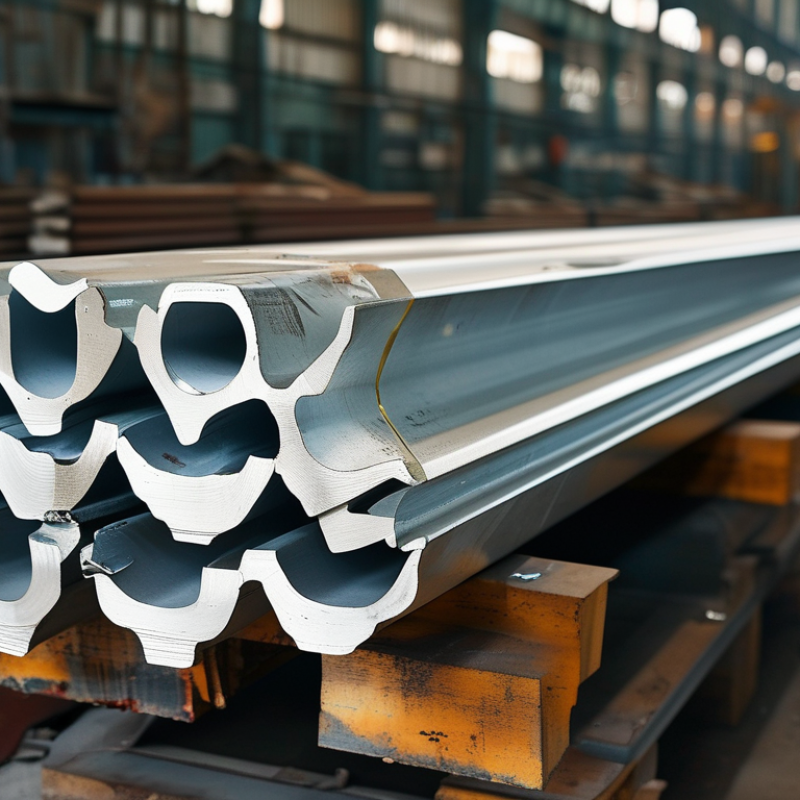
2026 Trends in Aluminium Extrusion Profiles for Global Markets
The aluminium extrusion industry is evolving rapidly in 2026. Various trends are shaping the market. Sustainability has emerged as a key focus. Manufacturers are adopting greener practices. This shift not only reduces carbon footprints but also appeals to eco-conscious buyers.
Another notable trend is customization. Tailored profiles are increasingly in demand. Clients seek specific designs and functionalities. This desire for unique solutions drives innovation. It's essential for businesses to invest in advanced technology to meet these needs.
Moreover, lightweight materials continue to gain traction. Applications in automotive and aerospace industries are on the rise. These sectors require materials that are both strong and lightweight. Companies must adapt to ensure they stay competitive in this dynamic landscape. Balancing innovation with cost-efficiency remains a challenge. The evolving preferences of buyers call for continuous reflection and adjustment.
Key Factors to Consider When Selecting Aluminium Extrusion Profiles
When selecting aluminium extrusion profiles, several key factors come into play. The profile's design is crucial. It determines the performance, strength, and suitability for specific applications. Various shapes exist, each providing different benefits. Complexity in design can lead to higher costs and longer lead times.
Material quality is another significant factor. Not all aluminium is created equal. Look for profiles made from high-quality aluminium alloy. The alloy’s properties, like strength and corrosion resistance, affect durability. The finish of the extrusion is also important. Anodization or powder coating may enhance protection and aesthetics.
Sustainability has gained importance in recent years. Buyers show interest in eco-friendly practices. Assessing the supplier’s environmental policies can provide insight into their commitment. Responsibly sourced materials can lead to better overall quality. Reflecting on these aspects can help buyers choose wisely.
Top Aluminium Extrusion Profiles: A Comparison of Leading Manufacturers
When selecting aluminium extrusion profiles, buyers encounter a diverse landscape. The right profile can enhance product performance and manufacturing efficiency. Market leaders have established themselves through innovation and reliability. They offer a range of profiles tailored for various applications.
In the competitive realm of aluminium extrusion, different manufacturers focus on specific traits. Some prioritize surface finish and aesthetic appeal, while others excel in strength and durability. Comparing these profiles can reveal strengths and weaknesses. For instance, profiles designed for thermal efficiency may lack in weight-bearing capabilities.
It’s essential to scrutinize product specifications and user reviews. Understanding how a profile performs under stress or extreme conditions can help buyers make informed decisions. Some profiles may appear ideal but fall short in real-world applications. Addressing these discrepancies fosters a better selection process for global buyers.
2026 Best Aluminium Extrusion Profile for Global Buyers
| Profile Type |
Application |
Material Quality |
Production Process |
Cost per kg (USD) |
Lead Time (Days) |
| Classic Rectangle |
Construction |
6063-T5 |
Extrusion |
3.50 |
15 |
| T-Slot |
Machinery |
6061-T6 |
Extrusion |
4.00 |
20 |
| Round Tube |
Furniture |
6060 |
Extrusion |
3.80 |
18 |
| Angle Profile |
Construction |
6063-T5 |
Extrusion |
3.30 |
22 |
| Custom Shape |
Specialty Industry |
7075 |
Extrusion |
5.50 |
25 |
Applications of Aluminium Extrusion Profiles in Various Industries
Aluminium extrusion profiles play a crucial role across various industries. They are highly versatile and adaptable. In construction, for example, aluminium is valued for its lightweight yet robust properties. A report from the International Aluminium Institute noted that the demand for aluminium in construction is expected to increase by 27% by 2026. This growth highlights the material's appeal in creating energy-efficient buildings.
The automotive sector also relies heavily on aluminium extrusion profiles. The lightweight nature of the material contributes to fuel efficiency. Research from a leading automotive industry association indicates that using aluminium in vehicles can reduce weight by 50% compared to steel. This shift is vital for meeting strict emission regulations.
However, challenges remain. While the demand for aluminium profiles is rising, the industry faces sustainability concerns. Recycling rates must improve. According to figures from the Aluminium Association, only about 75% of aluminium produced is still in use today. This statistic calls for a more sustainable approach to production and usage. Addressing these issues will be necessary for continued growth in various applications.
Sustainability and Innovations in Aluminium Extrusion for 2026 Buyers
As we approach 2026, the aluminium extrusion industry is focusing increasingly on sustainability and innovation. The demand for eco-friendly profiles has surged. According to a recent industry report, 65% of global buyers now prioritize materials that meet sustainable standards. This shift is not just a trend; it reflects a long-term commitment to reducing carbon footprints.
Innovations in aluminium production processes are paramount. For instance, the adoption of closed-loop recycling methods has shown to reduce energy consumption by up to 75%. These processes allow manufacturers to reuse scrap aluminium effectively, minimizing waste. Additionally, advancements in alloy compositions are leading to lighter and stronger extrusions. This not only enhances product performance but also meets the rigorous demands of modern applications.
However, challenges remain. The industry faces difficulties in balancing cost and sustainable practices. Some suppliers still rely on traditional methods that are less eco-friendly. This creates an uneven playing field. Transparency in sourcing materials is crucial. Buyers increasingly seek assurance about the origins of their materials. Reflecting on these factors will be essential as the aluminium extrusion sector moves forward.
Aluminium Extrusion Sustainability Metrics for 2026 Buyers