Best Insulated Aluminum Profiles for Global Buyers?
In the world of construction and design, Insulated Aluminum Profiles play a crucial role. These products offer excellent thermal performance and structural strength. As global buyers seek the best options, understanding the importance of insulation is paramount.
High-quality Insulated Aluminum Profiles are essential for energy efficiency. They help reduce heating and cooling costs in buildings. However, not all profiles are created equal. Buyers must consider factors such as thermal resistance and durability. Each profile can have varying insulation properties.
While many suppliers offer these products, finding reliable ones can be challenging. It's important to assess their reputation and past projects. Also, the market is filled with options that may not always meet expectations. Therefore, research and careful selection are key to obtaining the best Insulated Aluminum Profiles. This mindset can lead to better investments and improved building performance.

Introduction to Insulated Aluminum Profiles
Insulated aluminum profiles have gained prominence in construction due to their excellent thermal performance. According to a report by MarketsandMarkets, the global insulated aluminum profile market is expected to grow by 5.6% annually. This demand stems from the increasing focus on energy efficiency in buildings. Energy-efficient designs can lead to significant savings on heating and cooling costs.
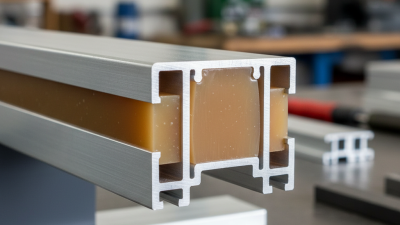
These profiles typically feature a thermal break, dividing the interior and exterior sections. This separation reduces heat transfer effectively. However, not all insulated profiles are created equal. The quality of insulation can vary significantly, leading to gaps in performance. Some profiles may not meet the required standards for energy efficiency, which could impact building performance.
This inconsistency highlights the need for buyers to conduct thorough research before making a choice.
Selecting the right insulated aluminum profile requires understanding project requirements. Consider factors like climate, building codes, and performance metrics. Some buyers might rush into decisions, overlooking the importance of professional advice. Investing time to evaluate options can prevent future regrets and ensure optimal performance in real-world applications.
Key Features of High-Quality Insulated Aluminum Profiles
When seeking high-quality insulated aluminum profiles, focus on key features that ensure performance and reliability. These profiles are designed for energy efficiency. They significantly reduce thermal transfer, keeping interiors comfortable. Look for profiles with robust insulation materials, as these enhance overall energy conservation.
Having the right thickness and design is crucial. A well-constructed profile typically includes multiple chambers. These chambers trap air, adding insulation. This design helps avoid cold bridging. Buyers should check for certifications to ensure performance standards are met.
Tips for selecting insulated aluminum profiles include examining the manufacturer’s track record. Often, experience implies better construction techniques. Review past projects to gauge reliability. Lastly, ask about warranty options. A solid warranty reflects the manufacturer's confidence in their product quality.
Best Insulated Aluminum Profiles for Global Buyers
Top Manufacturers of Insulated Aluminum Profiles Worldwide
When it comes to insulated aluminum profiles, several manufacturers stand out globally. These companies focus on both performance and sustainability. Their profiles are designed for energy efficiency and structural integrity. Global demand for these products continues to grow, driven by the construction and automotive industries.
Key manufacturers invest in research and development. This ensures their profiles meet various standards for thermal insulation. Their expertise in aluminum technology enhances product durability. However, some may struggle with maintaining consistent quality across different product lines. This inconsistency can impact buyer trust and overall satisfaction.
Many reputable companies provide extensive catalogs of insulated aluminum profiles. They offer a range of customizations to suit specific needs. It is crucial for buyers to evaluate their options thoroughly. Sometimes, pricing can complicate the decision-making process. Balancing cost and quality is necessary for long-term investment. In the end, informed choices lead to successful projects.
Applications of Insulated Aluminum Profiles in Various Industries
Insulated aluminum profiles are increasingly essential across diverse industries. They provide thermal efficiency in construction and automotive sectors. According to a recent industry report, insulated aluminum profiles can reduce energy loss by up to 40%. This significant reduction contributes to lower heating and cooling costs in buildings.
In the automotive industry, these profiles are used to enhance vehicle insulation, improving overall energy efficiency. Reports indicate that lighter vehicles enhance fuel economy. Insulated aluminum segments can cut weight by 30% compared to other materials. However, the adoption rate varies. Some manufacturers resist due to higher initial costs.
The marine industry also benefits from insulated aluminum profiles. They prevent corrosion while maintaining structural integrity. This dual function is vital for durability in harsh environments. Yet, durability can come with challenges. Manufacturers must balance insulation with lightweight requirements. Advancements are needed in manufacturing processes to optimize this balance.
Factors to Consider When Purchasing Insulated Aluminum Profiles
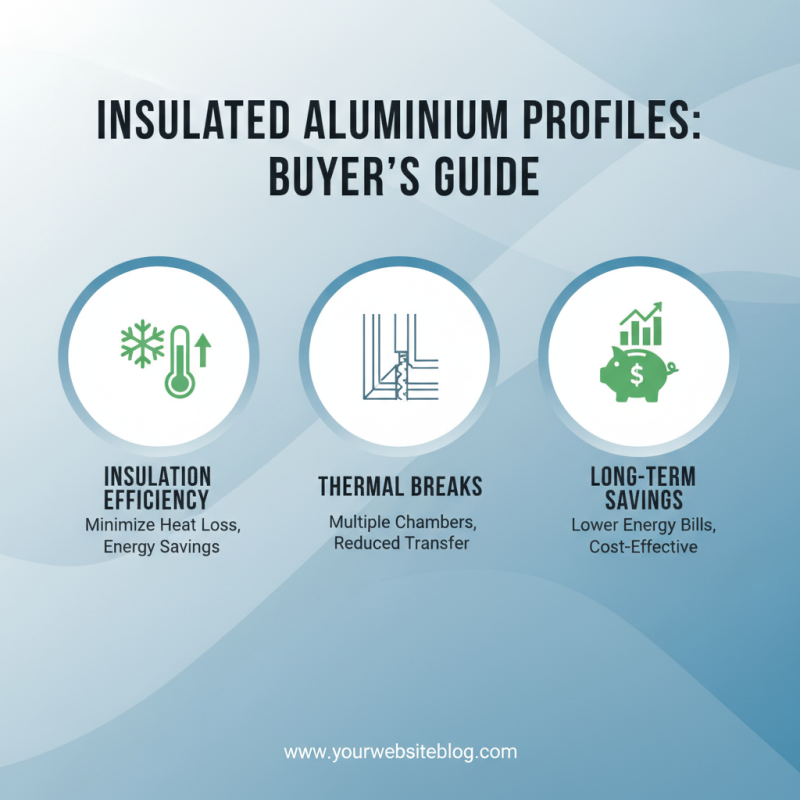
When looking to purchase insulated aluminum profiles, several factors must be carefully considered. Insulation efficiency is paramount. Good insulation minimizes heat transfer, enhancing energy savings. Look for profiles designed with multiple chambers or thermal breaks to boost this efficiency. These features can significantly impact your energy costs in the long run.
The profile's durability is another essential aspect. Aluminum is known for its strength and resistance to corrosion. This ensures the longevity of the profiles, but not all aluminum is created equal. Pay attention to coatings and finishes that can enhance durability. Extended exposure to harsh weather can degrade certain materials.
Tips: Always request detailed product specifications. They provide insight into thermal performance, durability ratings, and maintenance requirements. Also, consider sourcing from reputable manufacturers with a track record of quality. Checking testimonials can offer reflections on their performance and reliability.
Lastly, think about the design flexibility of insulated aluminum profiles. These profiles must fit well within your overall architectural vision. Your chosen profiles should offer various aesthetic options while maintaining performance standards. Balancing style and function is crucial in achieving desired outcomes.