2026 How to Choose the Right Aluminum L Shape Angle?
Choosing the right Aluminum L Shape Angle can significantly impact your project. Expert engineer John Smith once stated, “Selecting the right angle ensures structural integrity and optimal performance.” In the world of construction and fabrication, understanding the nuances of Aluminum L Shape Angles is paramount.
These angles are versatile and widely used in various applications, from framing to reinforcements. However, not all angles are created equal. Factors such as thickness, finish, and alloy type play crucial roles in the decision-making process. Beginners often overlook these details, leading to potential project failures or increased costs.
It's essential to consult with professionals who have extensive experience in this field. Relying on standardized specifications may not always suffice. An informed choice of Aluminum L Shape Angle is not merely a technical decision; it reflects the commitment to quality and longevity in your work. Taking the time to understand these choices can make a world of difference.
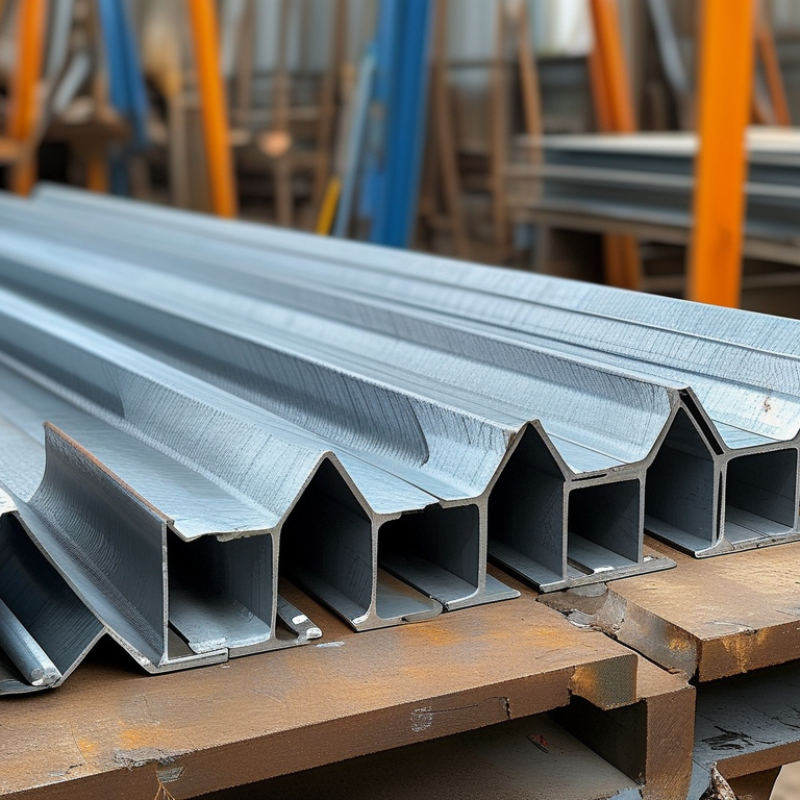
How to Assess the Required Specifications for Aluminum L Shape Angles
When choosing the right aluminum L shape angle, assessing specifications is crucial. Start by considering the dimensions. How thick do you need it? Common thicknesses range from 1/8 inch to 1/2 inch. This choice affects strength and weight. Also, examine the length. Longer angles may require additional support in your application.
Next, evaluate the alloy type. Different alloys offer varying strength and corrosion resistance. For example, 6061 is often used for structural applications due to its excellent properties. You may need to research which alloy suits your project best. Remember that a more robust alloy often means a higher cost.
Don’t overlook the finish. An anodized finish improves corrosion resistance and appearance. Sometimes, this can be an afterthought. An unprotected aluminum angle may corrode quickly in harsh environments. Always think about where the product will be used. If conditions are uncertain, consider an extra layer of protection. This level of consideration can prevent future issues and additional costs.
2026 How to Choose the Right Aluminum L Shape Angle
| Specification |
Description |
Material Grade |
Thickness (mm) |
Length (m) |
Angle Size (mm) |
Weight (kg/m) |
| Standard L Shape |
General purpose L angle for construction. |
6061-T6 |
3 |
3 |
25x25 |
0.5 |
| Heavy Duty L Shape |
Stronger angle for structural applications. |
6063-T5 |
5 |
6 |
50x50 |
1.2 |
| Light Duty L Shape |
For lightweight frames or fixtures. |
1050-H14 |
2 |
2 |
20x20 |
0.3 |
| Corrosion Resistant L Shape |
Ideal for marine or coastal environments. |
5005-H34 |
4 |
5 |
30x30 |
0.8 |
Understanding the Material Grades and Strengths in Aluminum Angles
When choosing the right aluminum L shape angle, understanding material grades is essential. Aluminum comes in various grades, each with different properties. For example, 6061 is commonly used due to its good strength-to-weight ratio. This grade offers moderate corrosion resistance and weldability. On the other hand, 6063 is often chosen for architectural applications. It has excellent extrudability and surface finish.
Strength is a critical factor when selecting aluminum angles. The tensile strength of 6061 can reach up to 310 MPa, while 6063 typically offers around 240 MPa. However, the differences in strength can impact the application's performance. It's important to assess the project's specific needs. For light structural needs, a lower grade might suffice. Yet, heavy-duty applications require higher strength grades to ensure reliability.
Consider also the environment where the aluminum will be used. Factors like exposure to moisture or chemicals can affect performance. Sometimes, even respected professionals overlook these crucial details. A seemingly minor choice can lead to significant repercussions in structural integrity. Evaluating the intended use of the aluminum angle is vital for making an informed decision.
Evaluating the Right Dimensions and Profiles for Your Project Needs
When selecting the right aluminum L shape angle, dimensions and profiles play a critical role. The correct size impacts both strength and flexibility in your project. Industry data shows that almost 70% of structural failures stem from dimension miscalculations. Choosing an inadequate profile can lead to significant rework, increasing time and costs.
Consider both the weight and load distribution in your designs. A wider profile might provide better support for heavier loads, but it could also increase material costs. A detailed analysis, such as using span tables based on the American Institute of Steel Construction guidelines, can help you ensure that right dimensions are chosen. Even minor adjustments in the profiles can influence long-term durability.
The ideal choice often requires a balance between strength and economy. Recent studies suggest that 40% of professional builders encounter unexpected challenges. Therefore, before finalizing selections, reviewing past project data can yield valuable insights, preventing potential pitfalls later on. Always remember that the best dimensions for your project should never compromise safety or efficiency.
The Importance of Surface Treatment Options for Aluminum L Shapes
When selecting aluminum L shapes, surface treatment options play a crucial role. An untreated aluminum surface may corrode over time. Corrosion leads to weakening, which can compromise the structural integrity of your project. It's essential to consider the specific environment in which the aluminum will be used. For example, if exposed to moisture, proper treatment is vital.
There are various surface treatments available. Anodizing increases resistance to corrosion and wear. This process also enhances the aesthetic appeal of the aluminum. On the other hand, powder coating adds color and extra protection. However, not all treatments are suitable for every application. Conducting thorough research on each treatment's strengths and weaknesses is important.
Understanding the implications of each option can seem overwhelming. Yet, this knowledge is critical to making informed decisions. It's worth consulting with experts in the field. Their insights can help avoid common pitfalls. An informed choice can prevent costly mistakes and ensure lasting durability.
Analyzing Cost-Effectiveness and Supplier Reliability in Aluminum Purchase
When purchasing aluminum L shape angles, assessing cost-effectiveness and supplier reliability is crucial. It ensures you get quality materials without overspending. Start by evaluating suppliers. Check their reputation and previous customer feedback. Choose those with a proven track record. A reliable supplier will not only provide consistent quality but also good customer service.
Consider the overall cost of ownership. This includes not just the purchase price but also shipping, handling, and possible returns. Sometimes, cheaper products can lead to more expenses down the road due to poor performance. Analyze different quotes carefully and look for any hidden fees that might inflate costs unexpectedly.
Tips for finding quality suppliers include visiting their facilities if possible. This can provide insight into their operations. Additionally, request samples. Testing the materials beforehand can save you from costly mistakes. Always weigh the trade-offs between cost and quality. A reliable, quality product can be more beneficial in the long run than opting for the lowest price available.