How to Use Polyurethane Pouring with Aluminum Profiles Effectively?
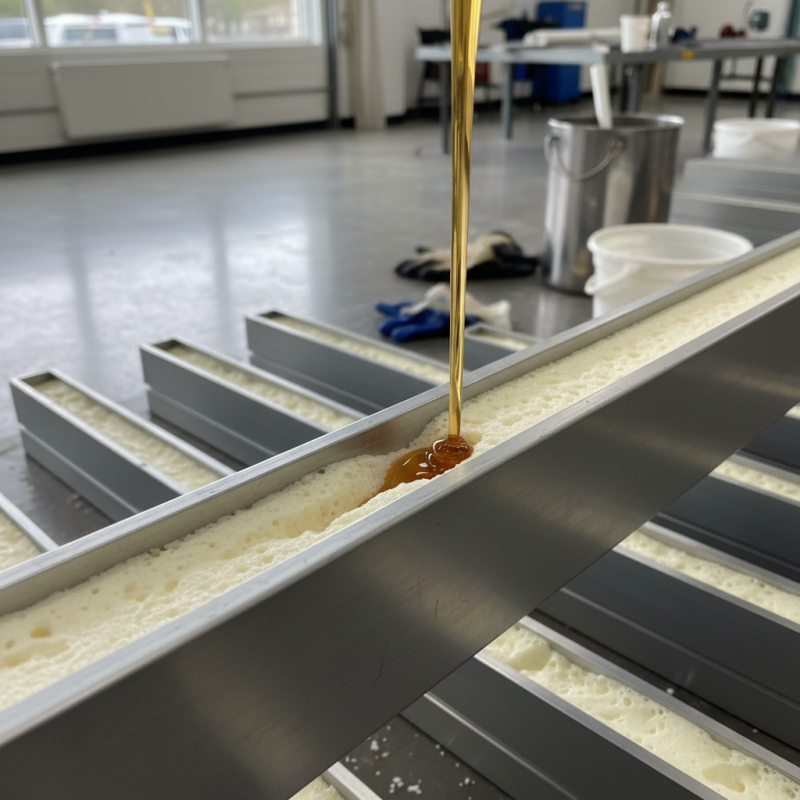
Polyurethane pouring in aluminum profiles has gained popularity for its versatility in various applications. The process involves using a liquid polyurethane compound that solidifies to form a durable, lightweight structure. Effective use of this technique requires an understanding of material properties and precise application methods.
Many professionals encounter challenges when working with Polyurethane Pouring Aluminum Profiles. These can include ensuring proper adhesion, avoiding air bubbles, and achieving the desired finish. Learning from mistakes is essential. For instance, improper mixing ratios can lead to weak structures. Real-life experiences often highlight the importance of patience and attention to detail in this craft.
Innovative applications of polyurethane pouring with aluminum profiles continue to emerge. Industries are discovering new ways to enhance design and functionality. While the potential is vast, those engaged in these practices must remain aware of the intricacies involved. Constant experimentation and adjustment pave the way for more effective outcomes in future projects.
Understanding Polyurethane Pouring and Aluminum Profiles
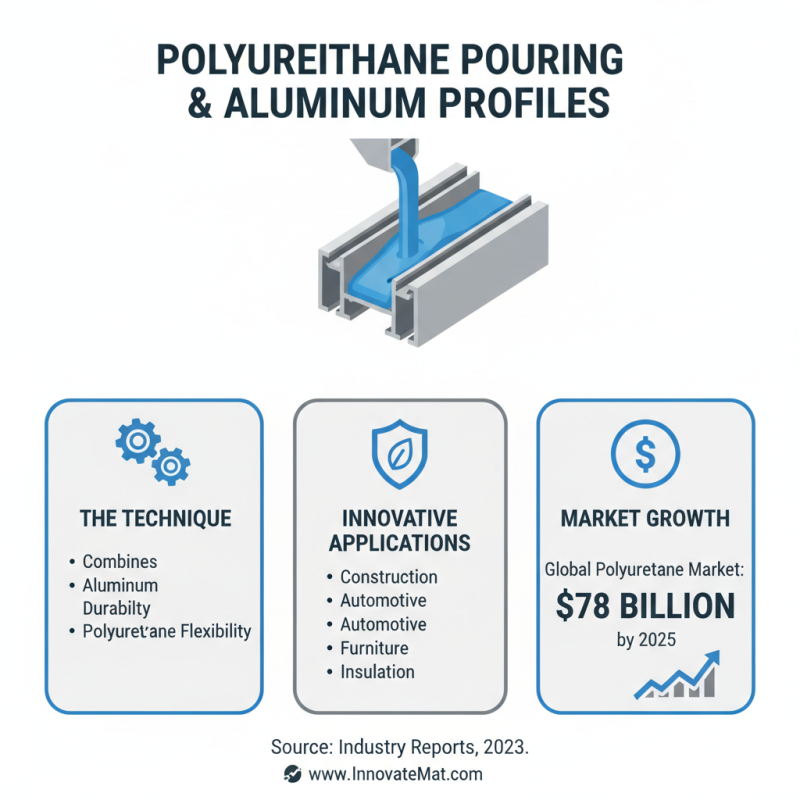
Polyurethane pouring with aluminum profiles is a technique used in various manufacturing processes. It combines the durability of aluminum with the flexibility of polyurethane, resulting in innovative applications. Reports indicate that the global polyurethane market is expected to reach $78 billion by 2025, highlighting its growing significance in industry.
Understanding how polyurethane interacts with aluminum is crucial. Polymers offer insulation and protection. When poured correctly, they fill gaps, enhancing structural integrity. Data shows that products using this method can withstand pressure up to 50% more than unprotected components. However, temperature control during the pouring process becomes critical. Inconsistencies can lead to weak bonds or flaws.
Tips: Always conduct a test pour. It reveals how materials will behave together. Monitor curing time closely. Rushing can lead to defects. Additionally, ensure surfaces are clean and free from contaminants. Even minor residue can compromise the final product. Each step demands attention to detail.
Selecting the Right Type of Polyurethane for Your Project
When embarking on a project that involves polyurethane pouring with aluminum profiles, selecting the right type of polyurethane is crucial. There are various formulations available, each designed for different applications. For instance, rigid polyurethane foam is ideal for structural elements, while flexible polyurethane can meet specific cushioning needs. Understanding the project requirements will guide your choice.
Consider environmental factors as well. Some polyurethanes are more resistant to moisture, while others excel in temperature fluctuations. Always check the material specifications thoroughly. A mismatch can lead to potential project failures. Pay attention to the curing time as well. Some formulations cure quickly, while others may take longer to set, affecting your workflow.
Mixing polyurethane can be tricky. Ensure that you follow the mixing ratios closely. Errors here can lead to unexpected results. Be prepared for a learning curve; experimenting with small batches can prevent larger setbacks. Reflect on past mistakes to refine your technique. This hands-on experience builds your expertise over time.
Polyurethane Usage in Projects
Preparing Aluminum Profiles for Effective Pouring
Preparing aluminum profiles for effective polyurethane pouring requires careful attention to detail. Begin by thoroughly cleaning the surfaces to eliminate any debris or contaminants. A report by the Aluminum Association highlights that even minor impurities can lead to defects in the final product. Using a suitable solvent can enhance the bonding quality between the aluminum and the polyurethane.
Next, consider the preparation method. Mechanical abrasion is often effective. However, over-abrading can weaken the profile. Research indicates that maintaining a balance in surface texture is crucial for adhesion. Practitioners often overlook this, leading to inadequate bonding. Following the standard of achieving a specific surface roughness can significantly improve the results.
Temperature also plays a pivotal role. Aluminum profiles should be conditioned to an appropriate temperature range prior to pouring. The American Society for Testing and Materials suggests that temperatures too high or too low can affect the viscosity of the polyurethane. This can lead to issues such as incomplete filling or excessive bubbles. Understanding these parameters is key to a successful pour, yet it can be easy to miscalculate. Addressing these factors can lead to improved performance and reliability in your finished product.
Techniques for Pouring Polyurethane with Aluminum Profiles
Polyurethane pouring with aluminum profiles requires careful technique to ensure successful results. Industry studies indicate that using the correct mixing ratio of polyurethane is crucial. A standard mix of 1:1 by weight achieves optimal curing and strength. This precision allows the poured polyurethane to effectively bond with aluminum, minimizing voids and enhancing durability.
Proper surface preparation of the aluminum is vital. Cleaning with a suitable solvent removes contaminants. A roughened surface increases adhesion, but too much abrasion can weaken the profile. Inspect for any manufacturing residues. Industry data shows that surfaces prepared with a grit of 80-120 provide the best results for polyurethane adhesion.
Timing is another factor often overlooked. Polyurethane begins to cure quickly, making it essential to pour promptly after mixing. Yet, pouring too swiftly can lead to uneven distribution. Practicing techniques like alternating pours in small sections can help maintain an even flow. Reflecting on these steps, finding the right balance is often a learning curve for many professionals in the field.
How to Use Polyurethane Pouring with Aluminum Profiles Effectively? - Techniques for Pouring Polyurethane with Aluminum Profiles
| Technique |
Description |
Benefits |
Considerations |
| Preheating Aluminum Profiles |
Heating aluminum profiles before pouring to improve adhesion. |
Enhances bonding between polyurethane and aluminum. |
Ensure even heating to avoid warping. |
| Using Release Agents |
Applying a release agent to prevent sticking. |
Facilitates easy removal of the cured polyurethane. |
Select a suitable agent compatible with polyurethane. |
| Controlling Pouring Temperature |
Maintaining optimal temperature during pouring for best results. |
Ensures proper curing and reduces defects. |
Monitor temperature closely to avoid premature curing. |
| Mixing Techniques |
Thoroughly mixing polyurethane components before pouring. |
Uniform consistency improves performance. |
Avoid air bubbles that can weaken the material. |
| Layered Pouring |
Pouring in layers to control thickness. |
Allows for custom texture and finish. |
May require additional curing time between layers. |
Best Practices for Finishing and Curing Polyurethane Projects
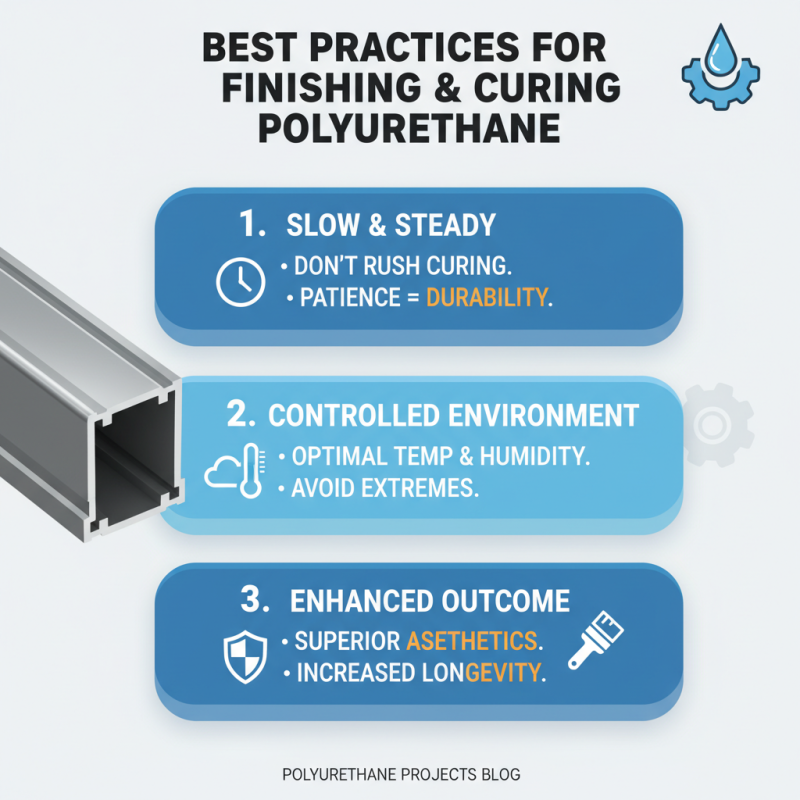
When working with polyurethane and aluminum profiles, finishing and curing are crucial steps. Proper techniques enhance durability and aesthetics. One common mistake is rushing the curing process. Patience is essential. Ensure a controlled environment, as humidity and temperature significantly affect the outcome.
Tips: Always mix polyurethane thoroughly before pouring. Inadequate mixing leads to imperfections. Use a clean, dry container for mixing. Allow enough time for bubbles to rise and escape before pouring. This step is vital for achieving a smooth finish.
After pouring, watch for defects. Uneven surfaces may necessitate sanding or additional layers. Don’t hesitate to adjust your method if issues arise. Curing times vary, so refer to guidelines or conduct tests. Keeping a detailed log can help refine your approach over time, contributing to your growing expertise.