Top Tips for Sourcing Aluminum Square Tubes Worldwide?
Sourcing Aluminum Square Tubes worldwide presents unique challenges and opportunities for manufacturers and buyers alike. As John Smith, an expert in aluminum fabrication, once said, “Understanding the global market is key to sourcing quality materials.” His insights highlight the importance of a strategic approach to sourcing Aluminum Square Tubes.
Navigating this industry involves understanding supplier capabilities, material quality, and pricing structures. Reliable partnerships can significantly impact the overall success. It’s essential to assess suppliers beyond just cost. Quality control and certifications matter deeply. Recognizing that not all suppliers meet the required standards can save you headaches later on.
Yet, there are often hurdles in communication and logistics. Time zones and cultural differences can complicate dealings. Exploring options with local distributors might yield unexpected benefits. Reflecting on these factors can sharpen your sourcing strategy. Ultimately, focusing on quality and reliability will lead to better outcomes in the procurement of Aluminum Square Tubes.

Understanding Aluminum Square Tubes and Their Uses
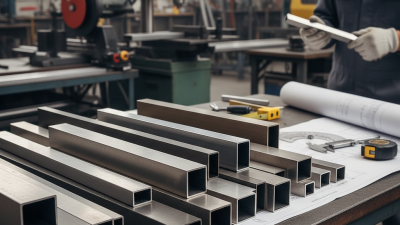
Aluminum square tubes are versatile materials, widely used in construction and manufacturing. Their lightweight nature makes them easy to handle. They provide strength without the burden of heavy materials. Common applications include frames, supports, and custom structures. These tubes also resist corrosion, adding longevity to projects. They can be used in exposed environments, such as bridges or outdoor furniture.
The manufacturing process of aluminum square tubes involves extrusion or rolling. Each method influences the tube's properties and suitability for various applications. Extruded tubes tend to have uniform dimensions, while rolled tubes may offer more diverse shapes and sizes. Understanding these differences is vital for choosing the right type for your needs. Some users may find it challenging to select the best option for their specific applications.
It's also important to consider sourcing options. Suppliers vary in quality, delivery times, and prices. Research potential suppliers thoroughly before making decisions. Engage with industry professionals to gather insights. Some may find unexpected challenges in logistics or material availability. Remember, sourcing globally can introduce complexities. Communication barriers and cultural differences may arise. These factors should not be overlooked.
Identifying Reliable Global Suppliers for Aluminum Square Tubes
Identifying reliable global suppliers for aluminum square tubes can be challenging. It requires a careful approach to assess potential partners. Begin by researching suppliers with positive reviews and a proven track record in this industry. Utilize online platforms that rank suppliers based on customer feedback and reliability metrics. Contact previous clients to gauge their experiences.
Another vital aspect is the communication process. Reliable suppliers respond promptly and clarify your queries. Their willingness to engage suggests a commitment to customer service. Additionally, check certifications and quality assurance processes they implement. A company that prioritizes quality will have recognized standards.
After narrowing down your options, request samples. This step is essential for evaluating the product's quality. Analyze the specifications and durability of the aluminum square tubes. Reflect on the suppliers' transparency regarding sourcing materials and production methods. It's crucial to ensure that their practices align with ethical and sustainable standards.
Evaluating Quality Standards and Certifications for Aluminum Products
When sourcing aluminum square tubes,
it’s essential to focus on quality standards and certifications.
Ensure that your suppliers comply with relevant international standards, such as
ISO 9001.
This certification indicates a commitment to quality management. Additionally, look for certifications
specific to aluminum products, like ASTM and EN standards.
These ensure the material meets stringent performance requirements.
Tip:
Always request documentation for certifications.
This ensures transparency and builds trust with your supplier.
It’s important to verify the authenticity of these documents.
Not every supplier may follow the required protocols. A lack of proper certifications can lead to
subpar products.
In your sourcing process, consider the traceability of materials.
Assess whether the supplier practices
ethical sourcing.
This not only promotes sustainability but also reflects the quality of the end product.
Remember, quality uncertainties can be costly in the long run.
Build relationships with reputable suppliers who prioritize
compliance and
quality assurance in their production processes.
Navigating Shipping and Logistics for International Sourcing
Navigating the complexities of shipping and logistics is crucial when sourcing aluminum square tubes globally. First, understanding each region’s customs regulations can save time and money. Many countries require specific documentation. Missing paperwork can lead to delays. It’s essential to research these requirements in advance.
Another key aspect is choosing the right shipping methods. Air freight is fast but costly. Ocean freight is more economical, however, it takes longer. Depending on your project timeline, a balanced approach may be necessary. Consider using a mix of both methods for efficiency.
Customs clearance can be a headache. Working with experienced logistics partners can simplify the process. They can help address potential issues before they arise. It’s also advisable to establish clear communication with suppliers. Misunderstandings about delivery schedules can disrupt your operations. Regular check-ins can keep everyone aligned.