Top 10 Benefits of Using Broken Bridge Aluminium Profiles?
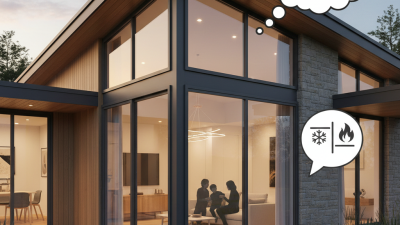
In the world of modern construction, Broken Bridge Aluminium Profiles have emerged as a game-changer. Architect Sarah Collins states, "The unique design of Broken Bridge Aluminium Profiles provides exceptional thermal insulation." This feature has garnered attention from builders and architects alike, making them a preferred choice for energy-efficient buildings.
Broken Bridge Aluminium Profiles offer numerous advantages. They enhance building aesthetics while promoting sustainability. Durability is another key benefit. These profiles resist corrosion and environmental damage. The potential for long-term cost savings is significant as well, thanks to their energy-efficient properties.
It's essential to recognize that not all aluminium profiles guarantee top performance. Choosing the right supplier is crucial for quality assurance. Improper installation can also lead to issues, which highlights the need for professional expertise. As the market for Broken Bridge Aluminium Profiles grows, awareness of these factors becomes increasingly important.

Benefits of Enhanced Thermal Insulation with Broken Bridge Aluminium
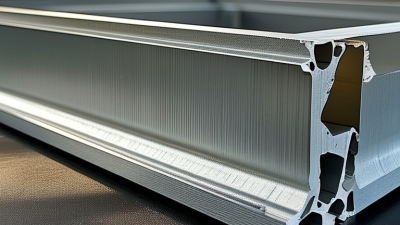
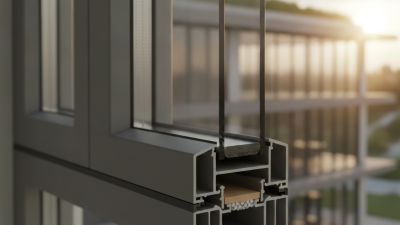
When considering thermal insulation in buildings, broken bridge aluminium profiles stand out. They feature a thermal break made of non-conductive material. This design significantly reduces heat transfer. Consequently, indoor temperatures remain stable, enhancing energy efficiency.
Using these profiles can lower energy bills. With improved insulation, heating and cooling systems work less. This creates a comfortable living space year-round.
Tip: When choosing materials, look for energy ratings. Proper insulation also minimizes condensation issues.
Not all installations are flawless. Gaps in profiles can occur, undermining insulation efficiency. Regular checks can detect these issues early. Adjustments may be necessary to maintain optimal performance.
Tip: Inspect your aluminium profiles regularly for any visible wear. A simple visual check can prevent bigger problems later. Regular maintenance ensures longevity.
Increased Structural Durability and Strength of Broken Bridge Aluminium Profiles
Broken bridge aluminium profiles have gained attention for their structural durability and strength. According to a report by the Aluminium Federation, these profiles can withstand extreme weather conditions. They reduce the risk of corrosion significantly, enhancing lifespan. This durability is crucial for both residential and commercial applications.
The design of broken bridge profiles includes thermal breaks, which prevent heat transfer. This characteristic improves energy efficiency. Research shows that aluminium structures with thermal breaks can save up to 30% in energy consumption. However, while these profiles excel in strength, their initial installation cost can be higher. This may impact immediate financial decisions, yet the long-term savings often outweigh the initial investment.
Structural integrity requires careful design and material selection. Studies indicate that broken bridge profiles distribute loads effectively, providing robust support. However, the complexity of installation means skilled labor is essential. This raises concerns about availability and cost in certain regions. Buyers must consider these factors to truly assess the value of broken bridge aluminium profiles in their projects.
Energy Efficiency Improvements in Buildings Using Broken Bridge Aluminium
When it comes to energy efficiency in buildings, broken bridge aluminium profiles stand out as a significant innovation.
These profiles are designed to minimize thermal bridging, which can lead to substantial energy loss. A study by the European Aluminium Association indicates that buildings can save up to 30% on heating and cooling costs when using enhanced thermal insulation solutions. This is particularly important in regions with extreme temperatures.
Moreover, the use of broken bridge aluminium profiles enhances the overall insulation performance of windows and doors. Research from the Institute of Energy and Sustainable Development reveals that proper insulation can reduce carbon emissions linked to heating by approximately 40%. This not only benefits the environment but also lowers utility bills for homeowners.
Despite the advantages, there are challenges in implementing these systems. High upfront costs can deter some builders and homeowners. Additionally, ensuring precise installation is crucial for performance. A poorly installed profile can negate efficiency gains, leading to potential dissatisfaction. Careful consideration and expertise are essential in optimizing their benefits.
Reduced Noise Pollution Through Sound Insulation Properties of Profiles
Broken bridge aluminium profiles are an excellent choice for reducing noise pollution in homes and offices. Their sound insulation properties help create quieter living environments. Unlike traditional materials, these profiles use a thermal break that minimizes sound transmission. This feature makes them ideal for urban settings, where noise can be a constant issue.
Choosing the right profiles can significantly improve acoustic comfort. When looking to enhance sound insulation, consider the thickness of the profiles. Thicker profiles often offer better noise reduction. Additionally, ensure proper installation to maximize their effectiveness. Gaps and poor fitting can negate soundproofing benefits, leading to disappointing results.
For those who prioritize a peaceful atmosphere, investing in high-quality aluminium profiles is crucial. Regular maintenance is also important. Ensure seals remain intact to prevent sound leakage. Review your installation periodically. This commitment to quality and upkeep can yield lasting benefits in noise reduction.
Top 10 Benefits of Using Broken Bridge Aluminium Profiles
This bar chart illustrates the top 10 benefits of using broken bridge aluminium profiles, with a focus on their ability to reduce noise pollution through effective sound insulation properties, alongside other advantages such as energy efficiency and durability.
Versatile Design Opportunities Offered by Broken Bridge Aluminium Profiles
Broken bridge aluminium profiles provide a wide array of design opportunities. Their unique thermal insulation properties allow architects to create energy-efficient buildings. For instance, studies show that insulated aluminium windows can reduce energy consumption by up to 30%. This is crucial in today’s eco-conscious market, where sustainable design is a priority.
The versatility of these profiles extends beyond energy efficiency. They can be customized for various architectural styles. Extraordinarily thin frames can achieve a modern look while still maintaining durability. Moreover, the profiles are compatible with a variety of finishes, offering aesthetic flexibility that meets diverse client needs.
Yet, challenges in production and installation remain. Not every manufacturer can guarantee high-quality profiles. A 2022 industry report indicated that only 60% of aluminium products meet rigorous standards for strength and thermal performance. This inconsistency can lead to design flaws, compromising both functionality and safety. Architects and builders must critically assess suppliers to avoid potential pitfalls in their projects.
Top 10 Benefits of Using Broken Bridge Aluminium Profiles
| Benefit |
Description |
| Energy Efficiency |
Excellent thermal insulation properties help in reducing energy consumption. |
| Durability |
High resistance to corrosion and weathering, ensuring a long lifespan. |
| Lightweight |
Much lighter compared to traditional materials, facilitating easier installation. |
| Versatile Design |
Can be easily shaped into various forms to suit different architectural styles. |
| Low Maintenance |
Requires minimal upkeep, saving time and costs in the long run. |
| Eco-friendly |
Recyclable material contributes to sustainable construction practices. |
| Aesthetic Appeal |
Available in various finishes and colors, enhancing visual attractiveness. |
| Sound Insulation |
Provides effective sound insulation, improving indoor comfort. |
| Safety |
Non-combustible properties add an extra layer of safety to buildings. |
| Cost-Effectiveness |
Due to durability and low maintenance, overall costs are significantly reduced. |