Top 10 Insulated Aluminium Extrusion Suppliers Worldwide
Insulated Aluminium Extrusion is becoming more important as buildings demand better thermal performance, lighter structures, and lower operating emissions. Extruded aluminium frames can combine strength, corrosion resistance, and precise dimensional control. Thermal breaks, usually made from polyamide strips, reduce heat transfer between interior and exterior profiles. In a window frame, this detail separates a cold outer rail from a warmer indoor surface.
Industry data supports the wider opportunity. The International Aluminium Institute reports that global aluminium production remains above 70 million tonnes annually, reflecting aluminium’s central role in construction, transport, and manufacturing. The International Energy Agency identifies aluminium as an energy-intensive material requiring major emissions reductions across production and processing. Therefore, supplier evaluation should include more than price and extrusion capacity. Renewable electricity use, recycled content, billet quality, and traceable environmental data deserve equal attention.
This guide examines ten leading Insulated Aluminium Extrusion suppliers worldwide. The comparison considers profile design, thermal-break technology, finishing options, testing capability, certifications, and international delivery experience. Relevant benchmarks include EN 755 for extruded aluminium products, EN 12020 for precision profiles, and performance standards used in curtain walls and fenestration systems. However, supplier claims are not always directly comparable. Some companies publish plant-level data, while others provide broad corporate figures. That gap matters.
A practical review should inspect sample corners, coating consistency, strip placement, and documentation. Small defects can become visible on a long façade. The ranking is useful, but not absolute. Project climate, building codes, fabrication skill, and lifecycle priorities can change the final choice.
What Insulated Aluminium Extrusions Are and Where They Are Used
Top 10 Insulated Aluminium Extrusion Suppliers Worldwide
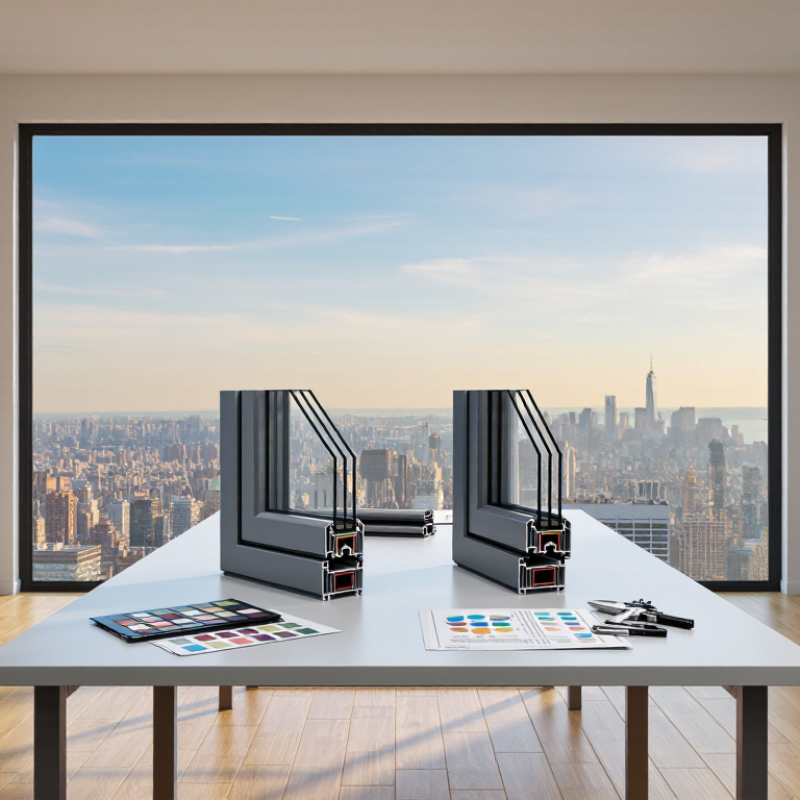
Insulated aluminium extrusions are usually thermal-break profiles. They combine two aluminium sections with a low-conductivity polyamide strip. This strip interrupts the direct heat path through the frame. The result is a warmer interior surface and reduced condensation risk. It still keeps aluminium’s strength, accurate tolerances, and slim appearance.
The need is substantial. The International Energy Agency reports that buildings consume about 30% of global final energy. The U.S. Department of Energy estimates that windows cause 25–30% of residential heating and cooling energy use. Properly designed insulated frames can reduce this loss, especially in curtain walls, sliding doors, windows, skylights, and conservatories. They also support façades exposed to strong winter winds or intense summer sunlight.
Details matter. Suppliers should provide tested U-values, air-tightness results, strip dimensions, and compatibility data for seals and glass. A wider thermal break is not automatically better. Poor assembly can create gaps, distortion, or hidden metal bridges. That is the uncomfortable part. Extrusion quality alone cannot rescue careless installation. Industry testing, site experience, and clear documentation remain essential. Some projects still choose profiles by price first, then discover performance problems later. That approach deserves reconsideration.
How to Evaluate Global Insulated Aluminium Extrusion Suppliers
Evaluating global insulated aluminium extrusion suppliers requires more than comparing catalog prices. Start with documented experience in thermal-break profiles, alloy control, and project-specific tooling. Ask for dated case records, not polished claims. A reliable supplier should explain billet sourcing, extrusion tolerances, insulation materials, and batch traceability in plain language. Request sample sections. Inspect the cut edges, bonding line, surface finish, and dimensional consistency with a calibrated gauge.
Technical credibility appears in test evidence.
Check thermal transmittance reports, air infiltration data, weather resistance results, and fire classifications relevant to your market. Confirm whether an independent laboratory issued each report and whether the tested profile matches your design. Certificates can expire. Details matter. Ask how the supplier manages corrosion protection, color consistency, packaging, and moisture during long-distance shipping. One damaged bundle can erase a low unit price.
Communication is another practical test.
Send the same drawing and tolerance schedule to several suppliers, then compare questions, lead times, tooling costs, and corrective-action procedures. Strong teams identify risks before production. Visit a factory when possible, or request a live video walk-through of extrusion, thermal-bar insertion, inspection, and packing. I would not rely on one successful sample; early samples can hide process variation. Review payment terms, warranty language, change control, and after-sales response times. The best evaluation combines evidence, observation, and healthy doubt.
Top 10 Insulated Aluminium Extrusion Suppliers Worldwide
The Top 10 Insulated Aluminium Extrusion Suppliers Worldwide are judged by engineering depth, production consistency, and verified project experience. Strong suppliers offer thermal-break profiles for windows, doors, curtain walls, and industrial enclosures. They also control alloy selection, extrusion accuracy, surface treatment, and insulation assembly under one quality system.
A reliable supplier should provide alloy certificates, dimensional reports, and thermal performance data. Look for profiles with stable polyamide strips, clean corner joints, and uniform powder coating. Factory audits can reveal practical details, such as die storage, billet heating controls, and packaging methods. Ask for samples before placing a large order. Fit matters.
The leading ten suppliers often support custom dies, low-volume prototypes, and export documentation. Their technical teams can check wind-load requirements, frame tolerances, and regional building standards. Some also offer CNC cutting, drilling, and complete frame assembly. However, a polished website proves little. Delivery records and inspection reports carry more weight. Even experienced buyers can overlook humidity protection during shipping. That mistake may cause surface damage or assembly delays. Supplier rankings should therefore remain flexible, because capacity, lead times, energy costs, and material availability change across regions.
Product Range, Manufacturing Capabilities, and Quality Standards
A credible top-ten list of insulated aluminium extrusion suppliers should begin with product range. Leading producers usually offer thermal-break windows, curtain-wall profiles, doors, façades, and custom industrial sections. Their catalogues may include polyamide strips, EPDM gaskets, corner cleats, and powder-coated finishes. However, a wide catalogue does not guarantee engineering depth. Buyers should check wall thickness, maximum profile length, alloy grades, and verified thermal values.
Manufacturing capability matters at the production line. Look for billet casting access, automated extrusion presses, ageing ovens, precision cutting, CNC machining, and thermal-break assembly. A reliable supplier should share dimensional tolerances, tooling lead times, and batch traceability. The Aluminium Association reports that recycling aluminium can save about 95% of the energy required for primary production. This makes recycled billet content a practical purchasing question, not merely a marketing phrase. Ask for recycled-content evidence and chain-of-custody records.
Quality standards need physical proof. ISO 9001 supports controlled processes, while ISO 14001 indicates structured environmental management. Architectural profiles should also be tested against relevant ASTM or EN requirements for dimensions, coating adhesion, corrosion resistance, and thermal performance. The International Aluminium Institute links aluminium demand growth with stronger pressure to reduce production emissions. Supplier audits should therefore examine energy data, scrap rates, inspection records, and corrective actions. Some claims remain vague. That is a warning sign. A strong supplier provides test reports, sample sections, calibrated equipment records, and clear acceptance criteria before mass production.
Top 10 Insulated Aluminium Extrusion Suppliers Worldwide
Industry reference ranges for product scope, manufacturing capability, and quality requirements
The chart summarizes commonly specified capability ranges in the global insulated aluminium extrusion industry. Typical products use architectural aluminium alloys such as 6060 and 6063, with profile wall thicknesses commonly around 1.0–5.0 mm, extrusion lengths of approximately 6–12 m, and polyamide thermal-break widths generally ranging from 14.8–34 mm. Relevant quality frameworks include ISO 9001, ISO 14001, ISO 45001, EN 755, EN 12020, and ASTM B221.
Regional Coverage, Industries Served, and Buyer Considerations
Leading insulated aluminium extrusion suppliers differ sharply in regional coverage. Asian manufacturers often offer broad die libraries, competitive pricing, and high-volume production. European suppliers may provide tighter documentation, refined surface finishing, and strong engineering support. North American sources can reduce delivery risks for local construction projects. Regional availability matters when projects require replacement profiles or rapid technical adjustments.
These suppliers commonly serve commercial buildings, residential windows, curtain walls, doors, transport equipment, solar structures, and industrial enclosures. Insulated profiles usually combine aluminium sections with thermal-break strips, often made from reinforced polyamide. Buyers should examine thermal conductivity, air leakage, water resistance, dimensional tolerance, and surface durability. Ask for independent test reports, not only catalogue figures. Small details matter.
A practical buyer should compare tooling costs, minimum order quantities, sample schedules, packaging, and customs responsibilities. Confirm whether the supplier can match a drawing after extrusion, cutting, drilling, and coating. Check production capacity during peak seasons. It is easy to focus on unit price and miss delayed mould corrections. That mistake can affect an entire installation schedule. A factory visit or live video inspection can reveal storage conditions, inspection routines, and process discipline. Still, no review replaces testing your own profile under real project conditions. Supplier rankings can guide research, but they cannot remove every technical uncertainty.