Top 5 Insulated Aluminium Window Profiles for Energy Efficiency?
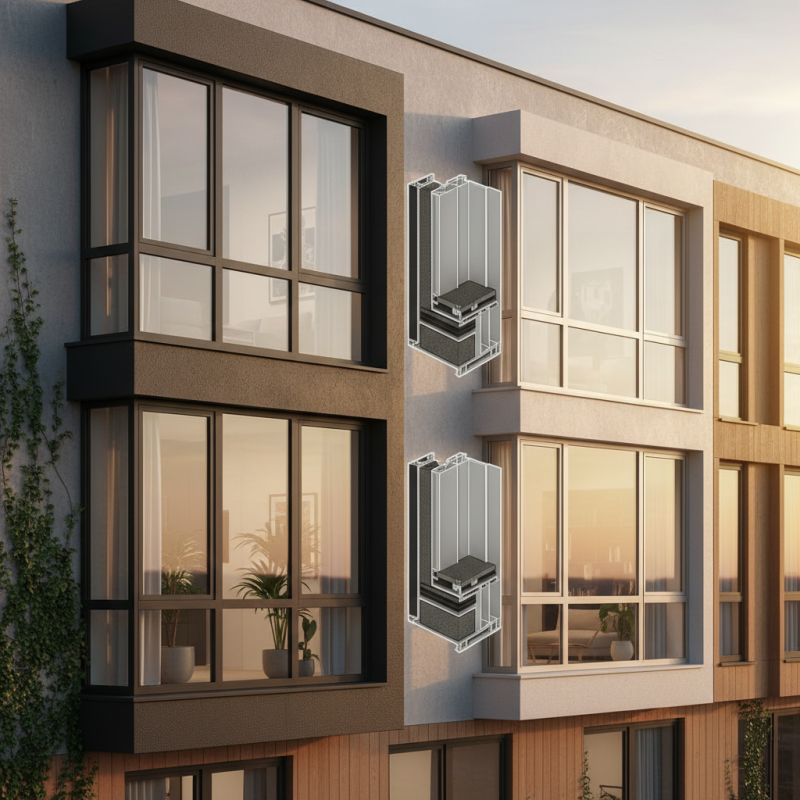
In the quest for energy efficiency, "Insulated Aluminium Window Profiles" play a crucial role. According to a report by the International Energy Agency, windows account for up to 30% of a building's energy loss. This emphasizes the need for high-performing window solutions.
Industry expert Dr. Emily Carter states, "Proper insulation in window profiles can lead to a significant reduction in energy costs." Her insights highlight the transformative impact these products have on both residential and commercial buildings. The right selection can improve indoor comfort while reducing environmental footprints.
Despite advancements, not all profiles deliver the same efficiency. Many options on the market still lack adequate insulation. This gap often leads to unexpected energy expenditure, making informed choices essential. The push for sustainability demands a reevaluation of current standards and practices in the industry.
Top 5 Insulated Aluminium Window Profiles for Energy Efficiency
When considering energy efficiency, insulated aluminium window profiles play a vital role. Research indicates that up to 30% of heating and cooling energy can be lost through windows. Therefore, selecting the right profile is essential for reducing energy consumption.
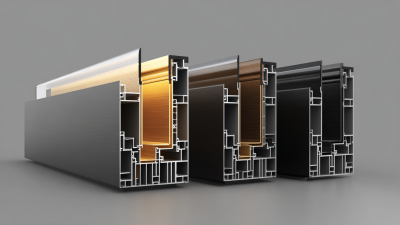
One popular choice is the thermally broken aluminium profile. This type effectively minimizes heat transfer, ensuring that homes stay comfortable year-round. A recent report noted that buildings with these windows reduce energy costs by nearly 20%. Moreover, they exhibit impressive sound insulation capabilities. Noise pollution can significantly affect quality of life, making this a worthy consideration for urban dwellers.
Not all insulated profiles are created equal, though. Some may fail to meet desired energy efficiency standards. It's crucial to evaluate factors like thermal transmittance and condensation resistance. A study found discrepancies in performance among various designs. Homeowners should balance aesthetics and functionality. An appealing window should not compromise energy efficiency.
Understanding the Importance of Energy-Efficient Window Profiles
Energy-efficient window profiles are essential for reducing energy consumption. They block heat loss during winter and prevent heat gain in summer. This dynamic helps to maintain a comfortable indoor temperature year-round. Many people overlook this aspect when upgrading their homes. However, the benefits are significant.
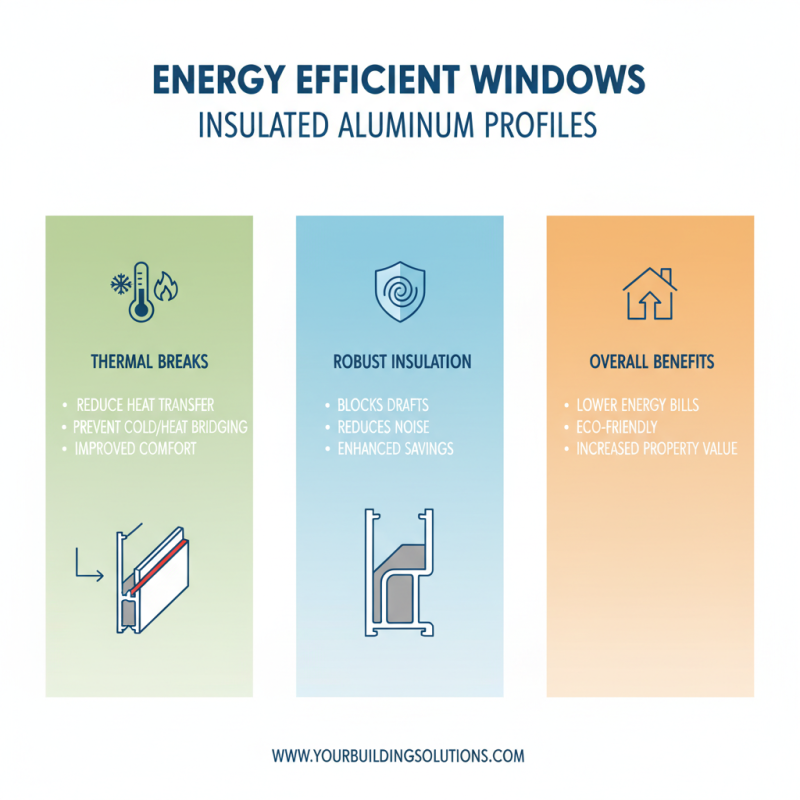
Insulated aluminium windows are particularly noteworthy. They incorporate thermal breaks to minimize heat transfer. This design feature can lead to notable energy savings. But, not all profiles are created equal. Some may perform poorly due to inadequate insulation or flawed installation. Homeowners must be vigilant during the selection process.
Choosing the right window profile requires careful consideration. Look for options with high energy ratings. Remember, aesthetics should not overshadow functionality. A beautiful window that leaks air is a wasted investment. It's common to see installations that don’t optimize performance. Thus, thorough research is crucial before making a decision.
Key Features to Look for in Insulated Aluminium Windows
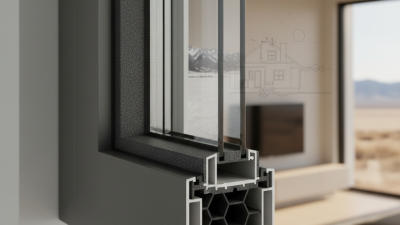
When choosing insulated aluminium windows, several key features are paramount. Look for a thermal break within the frame. This component helps reduce heat transfer. Proper insulation keeps energy costs low. Window profiles with multiple chambers can also enhance performance. These chambers trap air, providing better thermal resistance.
Another important feature is the quality of the glazing. Double or triple glazing is often necessary. These layers of glass create a barrier against outside temperatures. Low-emissivity (Low-E) coatings can further improve efficiency. They reflect heat back into the room while allowing light in.
Don't overlook the importance of airtight seals. Poor seals can lead to drafts, undermining your window's insulation. Consider additional weatherstripping for extra protection. Check if the design allows for easy maintenance. Sometimes, the most stylish choices aren’t the most practical. Efficiency should always be a priority.
Comparison of the Best Insulated Aluminium Window Profiles
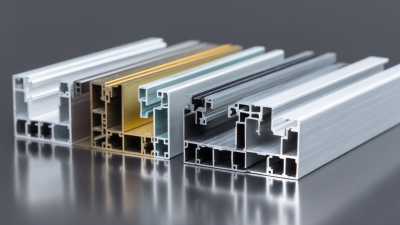
Choosing the right insulated aluminium window profiles can significantly enhance energy efficiency in any building. A variety of profiles are available, each with unique features. Some focus on thermal breaks, which reduce heat transfer. Others emphasize robust insulation materials that effectively block cold drafts.
When comparing profiles, it’s crucial to consider the insulation value and structural strength. Not all profiles are created equal. Some may not deliver the expected results in the long run. A profile that looks good on paper might fall short under real-world conditions. For example, air leakage can compromise energy savings, making it essential to choose wisely.
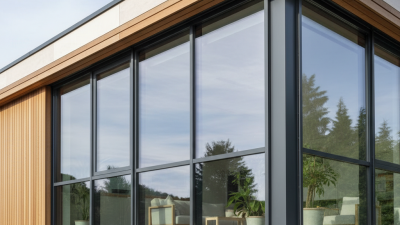
Visual appeal matters too. An attractive design can enhance a property's aesthetic. However, prioritizing looks over performance can lead to regrets later. A beautiful profile might not keep utility bills in check. Therefore, balancing functionality and design is key for informed decisions.
Installation and Maintenance Tips for Energy-Efficient Windows
When installing energy-efficient windows, proper preparation ensures optimal performance. Start by checking the window frame for any damage. Clean the opening thoroughly to eliminate dirt and debris. An imperfect fit can lead to air leaks and reduce efficiency. Use a level to ensure your frame is straight. Misalignment may cause issues later on.
Consider the weather-stripping in your installation. It should create a tight seal. Gaps can allow cold air in or warm air out. Choosing the right insulation material is crucial. Look for options that can withstand varying temperatures. The wrong choice can result in excessive energy costs. Remember, each installation varies based on unique home characteristics.
Regular maintenance is vital for longevity. Inspect seals regularly for wear. Replace worn-out components promptly to maintain energy efficiency. Sometimes, even a simple tightening of screws can improve performance. Neglecting small issues can lead to more significant problems. Aim to schedule seasonal checks to keep everything in prime condition. Reach out for professional help if needed; it’s better to ask than to assume.
Conclusion
The article "Top 5 Insulated Aluminium Window Profiles for Energy Efficiency" provides a comprehensive overview of the significance of selecting energy-efficient window profiles, emphasizing the role of Insulated Aluminium Window Profiles in achieving superior thermal performance. It outlines key features to consider, such as thermal breaks, glazing options, and design flexibility, which contribute to reduced energy consumption and improved comfort in buildings.
Additionally, the article compares the top insulated profiles available in the market, discussing their unique attributes and performance metrics. It also offers practical installation and maintenance tips to ensure optimal functionality and longevity of these windows. Finally, the cost-benefit analysis highlights the long-term savings on energy bills and the environmental advantages of investing in insulated aluminium profiles, making them a wise choice for homeowners and builders focused on sustainability.