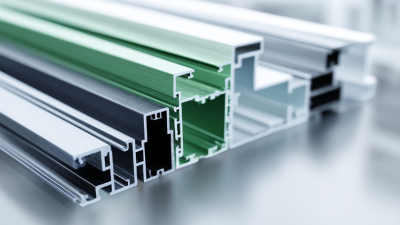
Top Thermal Break Aluminium Profiles for Global Buyers?
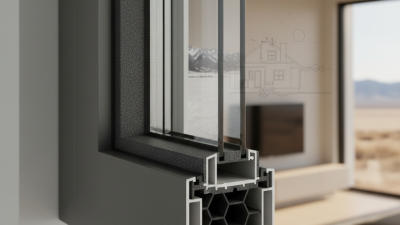
Thermal Break Aluminium Profiles are essential in modern architecture. They enhance energy efficiency and provide thermal insulation. Many global buyers seek these profiles for their construction projects. These profiles help in reducing energy costs by minimizing heat transfer.
In the competitive market, selecting the right Thermal Break Aluminium Profiles can be challenging. Buyers must consider quality, durability, and thermal performance. Poor choices can lead to long-term issues and increased expenses. It's crucial to partner with reputable suppliers who understand industry standards.
Investing in high-quality Thermal Break Aluminium Profiles pays off. It ensures comfort and sustainability in buildings. Yet, not all suppliers meet expectations. Thus, doing thorough research is vital. Evaluating choices can lead to better decisions, minimizing risks. Quality profiles are more than a choice; they are an investment in the future.
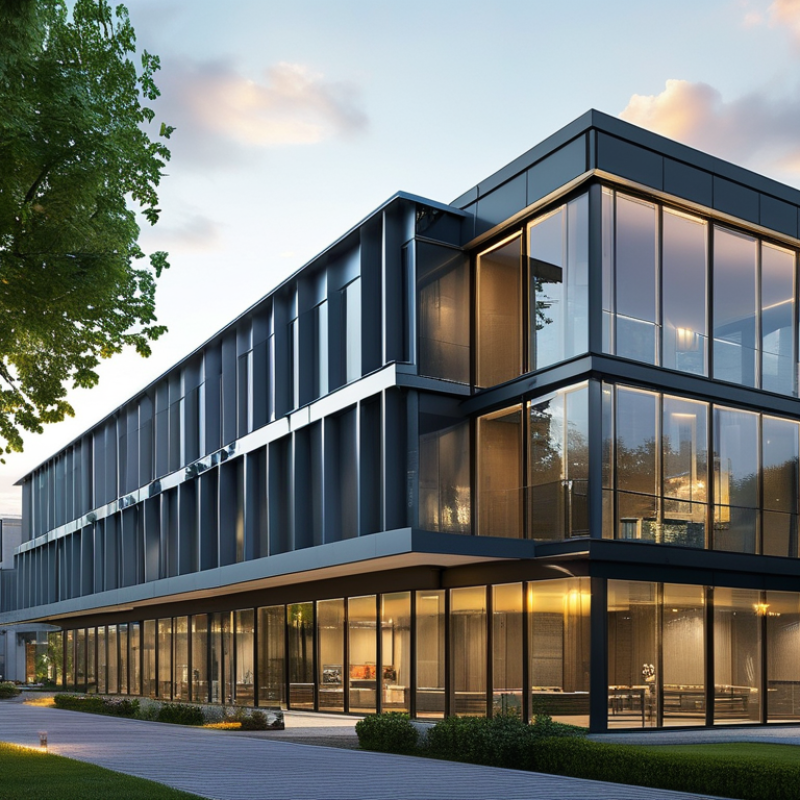
Top Thermal Break Aluminium Profiles: An Overview of Global Demand Trends
The global demand for thermal break aluminium profiles is rising. This shift is largely due to the increased awareness of energy efficiency. Architects and builders seek materials that contribute to energy conservation. Thermal break aluminium profiles help reduce heat transfer, making buildings more energy-efficient.
As the market grows, international buyers are exploring different options. Understanding local climatic conditions is essential for selecting the right profiles. Temperature fluctuations can affect performance. A profile suitable for a temperate climate may fail in extreme conditions. Investing in quality materials is crucial for long-term benefits.
**Tips:**
Choose profiles with strong insulation properties. Look for design flexibility to meet aesthetic needs. Regularly assess market trends to remain competitive. This area of construction is evolving constantly. Up-to-date knowledge aids in making informed decisions.
Key Advantages of Thermal Break Aluminium Profiles in Construction Industry
Thermal break aluminium profiles are increasingly favored in the construction industry. They effectively reduce heat transfer, leading to better energy efficiency. According to a recent report by the Global Energy Management Institute, buildings can save 30% on heating and cooling costs when using these profiles. This energy efficiency translates into lower utility bills and a reduced carbon footprint.
The construction industry benefits significantly from thermal break profiles. These materials resist condensation and minimize thermal bridging. This quality is vital in regions with extreme weather. Moreover, they enhance the overall aesthetics due to their sleek design. However, choosing the right profile remains a challenge. Not every thermal break profile offers the same level of performance.
Tips: Always review the thermal transmittance value, known as U-value. Profiles with lower U-values indicate better insulation properties. Additionally, consider the environmental impact of the materials used in thermal breaks. Sustainable materials contribute to green building certifications. As with any option, there's room for improvement. Continued innovation in material technology can lead to even better solutions in the future.
Top Thermal Break Aluminium Profiles for Global Buyers
| Profile Type |
Thermal Conductivity (W/mK) |
Weight (kg/m) |
Applications |
Key Advantages |
| Standard Thermal Break Profile |
1.9 |
2.5 |
Windows, Doors |
Energy efficiency, Cost-effective |
| Low-Profile Thermal Break |
1.5 |
2.0 |
Curtain Walls, Facades |
Sleek design, Reduced weight |
| Heavy-Duty Thermal Break Profile |
2.1 |
3.2 |
Commercial buildings, High-Rise |
Superior insulation, Enhanced durability |
| Thermal Break Integrated System |
1.8 |
2.8 |
Residential, Custom Builds |
Cost-saving, Easy installation |
Leading Manufacturers in Thermal Break Aluminium Profile Market and Their Offerings
The thermal break aluminium profile market is witnessing significant growth, driven by increasing demand for energy-efficient building materials. According to a recent market analysis, this sector is expected to reach a valuation of USD 25 billion by 2027, growing at a CAGR of 6%. The need for thermal insulation has become critical in residential and commercial developments.
Several manufacturers are leading the charge with innovative offerings. They are focusing on enhanced thermal performance and durability. Advanced profiles provide superior insulation, reducing heat loss and improving energy efficiency. Some profiles boast thermal transmittance values as low as 0.4 W/m²K, showcasing their efficacy.
However, challenges remain in material sourcing and sustainability. The manufacturing process can be energy-intensive, raising concerns among environmentally conscious buyers. Companies are increasingly exploring recycled materials, attempting to balance performance with eco-friendliness. These developments highlight the industry's commitment to innovation while navigating complex market demands.
Technical Specifications that Define Quality in Thermal Break Aluminium Profiles
When considering thermal break aluminium profiles, the technical specifications are paramount. These profiles are essential for energy-efficient construction. According to industry reports, insulating materials can reduce energy loss by up to 60%. This efficiency is often quantified by the thermal transmittance rating, known as U-value. A lower U-value signifies better insulation.
The design and structure matter greatly. Profiles should have a minimum thickness to enhance structural integrity. ASTM standards recommend at least 1.5 mm for durability. Additionally, the thermal break must be made of high-quality materials, such as polyamide or a polyurethane core. These materials significantly improve thermal performance.
Testing mechanisms are vital for ensuring quality. Manufacturers should comply with the latest EN standards for thermal performance. Reports highlight that profiles passing these tests demonstrate a 20% increase in energy efficiency. However, not all products meet these benchmarks, emphasizing the need for reliable certification. Engaging with suppliers for detailed specifications is crucial. Misrepresentations in technical data can lead to performance gaps in real-world applications.
Market Forecast: Future Trends in Thermal Break Aluminium Profile Adoption
In recent years, the market for thermal break aluminium profiles has seen substantial growth. A report by Allied Market Research predicts a compound annual growth rate (CAGR) of over 5% from 2023 to 2030. This increase in demand is driven by the growing emphasis on energy efficiency in construction. Thermally broken profiles enhance insulation and reduce energy costs, making them increasingly appealing for builders and architects.
As global awareness of sustainability rises, more industries are prioritizing energy-efficient materials. In Europe, nearly 40% of new residential projects now use thermal break aluminium profiles. However, some regions lag behind in adoption, often due to higher initial costs. This mismatch highlights the need for better education on the long-term savings these profiles can provide.
**Tip:** Consider conducting a cost-benefit analysis before investing in thermal break profiles. Assess both initial costs and energy savings over time.
As urbanization continues, urban planners are urged to integrate energy-efficient designs into their projects. Improved building regulations may also push the adoption of thermal break profiles. Overall, the market outlook remains strong, with a growing appetite for innovative, sustainable solutions.
**Tip:** Stay updated on emerging materials and technologies to remain competitive in the evolving market landscape.