Top Thermal Break Aluminium Profiles for Global Buyers?
In the world of construction and design, the demand for Thermal Break Aluminium Profiles is on the rise. These profiles are essential for energy-efficient buildings. Experts emphasize their role in reducing thermal conductivity. Professor Mark Hartman, a leading authority in sustainable architecture, once noted, "Thermal Break Aluminium Profiles can significantly enhance insulation and overall energy efficiency."
The design of these profiles allows for better temperature control. They reduce heat transfer between the outside and inside of buildings. Many manufacturers now focus on creating profiles that blend aesthetics with function. However, there remains a challenge in balancing cost and performance. While some high-end products excel, budget options may compromise quality.
Global buyers often seek profiles that are both reliable and stylish. With increasing sustainability mandates, choosing the right Thermal Break Aluminium Profiles becomes critical. The market is evolving, and understanding the nuances is vital for making informed decisions. Each choice made can impact energy consumption and environmental footprint.

Overview of Thermal Break Aluminium Profiles
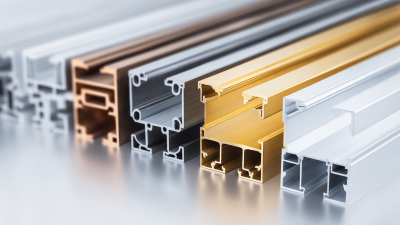
Thermal break aluminium profiles are becoming essential in modern architecture and construction. These profiles create a barrier that reduces heat transfer and enhances energy efficiency. By minimizing thermal bridging, they help maintain comfortable indoor temperatures. This is crucial for energy savings and improving sustainability efforts in building designs.
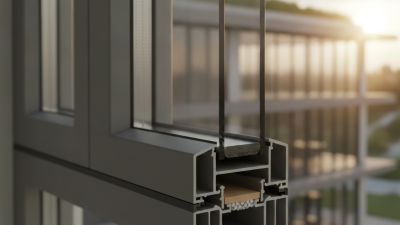
When selecting thermal break profiles, buyers should consider factors like insulation properties and material durability. Profiles typically feature a non-conductive element that separates the internal and external aluminium components. This design is effective in preventing condensation and frost formation. Additionally, engaging with suppliers who prioritize quality and innovation can lead to better results in construction projects.
However, not all profiles are created equal. Variances in manufacturing processes and material standards can lead to discrepancies in performance. Some designs may not meet specific regional building codes or energy guidelines. Engaging with knowledgeable professionals in the field can help navigate these challenges and ensure the right choices are made for successful applications. Investors should remain critical and assess available options carefully.
Key Characteristics of High-Quality Thermal Break Aluminium Profiles
Thermal break aluminium profiles are essential for energy-efficient buildings. These profiles help reduce heat transfer, improving insulation. This feature is crucial in both hot and cold climates. A well-designed thermal break can lead to significant energy savings. High-quality profiles often contain polyamide or other materials that enhance thermal performance.
The key characteristics of top thermal break profiles include durability and corrosion resistance. These profiles must withstand harsh environmental conditions. They are also lightweight, which aids in easier installation. A reliable thermal break profile should offer excellent structural integrity. Additionally, attention to detail in the manufacturing process impacts performance.
While many products claim high thermal efficiency, not all meet quality standards. It's essential to evaluate the specifications carefully. Look for profiles with certifications or testing results. Pay attention to the manufacturing tolerances, as they influence the final performance. If the profile doesn't fit well, it won't provide the expected benefits. This calls for continued improvement in design and production methods.
Top Thermal Break Aluminium Profiles for Global Buyers
| Profile Type |
Thermal Conductivity (W/m·K) |
Weight (kg/m) |
Typical Applications |
Insulation Material |
| Standard Profile |
1.4 |
2.5 |
Windows, Doors |
Polyamide |
| High-Performance Profile |
1.1 |
3.0 |
Commercial Buildings |
Polyurethane |
| Luxury Profile |
0.8 |
2.8 |
High-End Residential |
Multifunctional Foam |
| Eco-Friendly Profile |
1.0 |
2.2 |
Sustainable Buildings |
Recycled Materials |
| Architectural Profile |
1.3 |
2.4 |
Modern Design Facades |
Polystyrene |
Popular Applications of Thermal Break Aluminium Profiles
Thermal break aluminium profiles are essential in modern architecture. They provide effective insulation, reducing energy consumption in buildings. Many architects prefer these profiles for their ability to prevent thermal bridging, which is crucial in maintaining indoor comfort.
Applications of thermal break aluminium profiles extend beyond mere windows and doors. They are widely used in curtain walls, skylights, and facades. These components enhance energy efficiency while maintaining a sleek aesthetic. In high-rise buildings, they contribute significantly to structural integrity and sustainability.
However, the choice of materials and design is not without challenges. Proper installation is vital to ensure performance. Mistakes in this phase can lead to a decrease in insulation effectiveness. Continuous evolution in technology offers promising solutions but also requires constant learning and adaptation. Many professionals find it important to stay updated with the latest advancements to ensure the reliability of their projects.
Leading Manufacturers and Suppliers in the Global Market
The global market for thermal break aluminium profiles is expanding. Numerous manufacturers prioritize innovation and sustainability. These profiles enhance energy efficiency in buildings, making them increasingly desirable. Buyers seek reliable suppliers. They look for those who offer comprehensive support and expertise in this niche field.
Leading manufacturers focus on quality materials. They maintain strict production processes to ensure durability and performance. Many suppliers are adapting to changing market dynamics. They are incorporating advanced technology in their production lines. This shift helps in addressing the growing demand for energy-efficient solutions. However, challenges remain. Not all suppliers meet the highest standards consistently. Quality control can be variable, leading to buyer concerns.
Establishing partnerships with reputable manufacturers is crucial. Buyers must conduct thorough research before making decisions. Understanding the certifications and standards that each company adheres to is essential. This diligence can save costs in the long run. Buying from established suppliers may also offer better warranty options. A careful approach can lead to successful procurement of thermal break aluminium profiles.
Comparative Analysis of Thermal Break Profiles by Region
The global market for thermal break aluminium profiles is expanding rapidly. Regions like North America and Europe lead the charge, driven by stringent energy efficiency standards. According to a recent report by MarketsandMarkets, the North American aluminium profile market is expected to grow at a CAGR of 5.7% from 2021 to 2026. This growth is fueled by increased demand for energy-efficient solutions in building designs and renovations.
In Asia-Pacific, countries such as China and India are witnessing a boom in construction activities. A report from ResearchAndMarkets predicts that the thermal insulation materials market will reach USD 64.91 billion by 2025 in this region. Despite the rapid growth, challenges remain, such as the inconsistency in standards across countries. Buyers need to navigate these variations to ensure compliance and effectiveness.
Consider choosing suppliers that have transparent sourcing and manufacturing practices. Evaluate their certifications against international standards. This can enhance the reliability of thermal break profiles in projects. Pay attention to local climate conditions. These factors influence the performance of thermal breaks and can lead to potential inefficiencies if overlooked. Keep an eye on emerging trends. New materials and innovations are continuously reshaping the market landscape.
Top Thermal Break Aluminium Profiles by Region