Top Thermal Break Aluminum Profiles for Global Buyers?
In today's competitive construction market, selecting the right materials is crucial. One essential component is the Thermal Break Aluminum Profile. These profiles offer excellent insulation and energy efficiency, making them a top choice for builders and architects. With rising energy costs, the demand for energy-efficient solutions is increasing globally.
Thermal Break Aluminum Profiles help minimize heat transfer. This quality enhances the performance of buildings, improving comfort for occupants. Buyers should focus on profiles that meet international standards and local regulations. Quality does not just come from the materials used, but also from the manufacturing process. Exploring different options will reveal various features and price points.
However, vendors should be aware of potential pitfalls. Not all profiles are created with the same level of expertise. Research is essential. Understanding a supplier's reputation can save time and resources. As a buyer, ensure that the chosen profiles align with your specific project needs. Explore the market, but remain skeptical about overly cheap offers that may compromise quality. Investing in reliable Thermal Break Aluminum Profiles is key to achieving long-lasting results.
Top Thermal Break Aluminum Profiles: An Overview
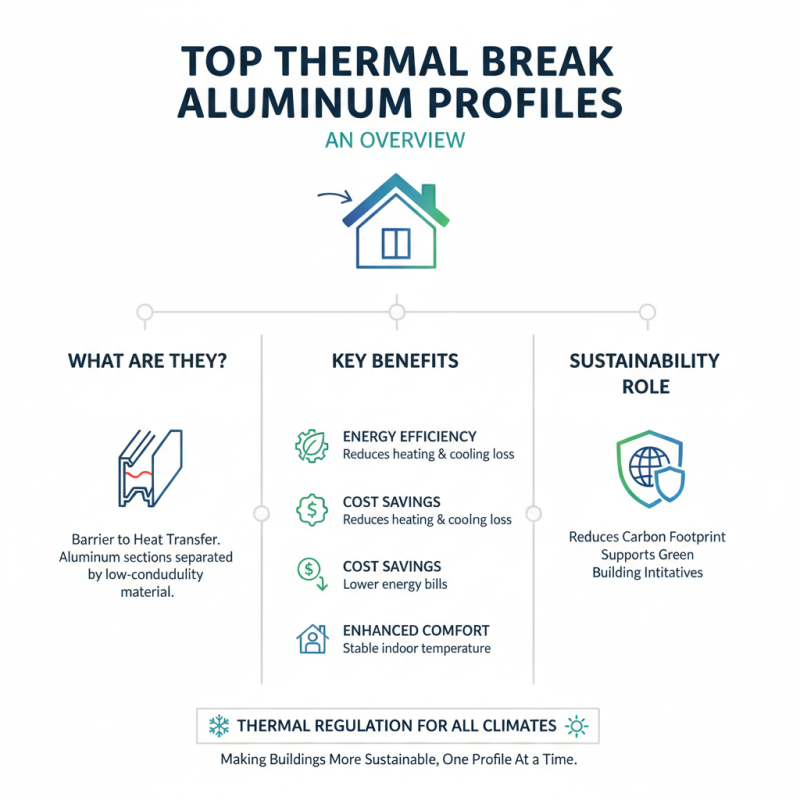
Thermal break aluminum profiles are gaining attention for their energy efficiency. They serve as a barrier to heat transfer, making buildings more sustainable. By integrating thermal break technology, these profiles reduce energy costs and enhance comfort. They play a crucial role in maintaining thermal regulation in various climates.
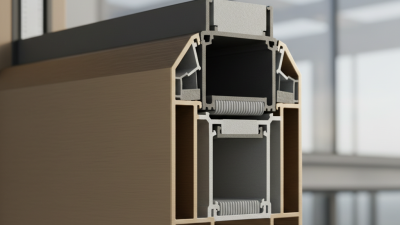
The design of thermal break aluminum profiles is key to their effectiveness. Typically, they consist of a non-conductive material sandwiched between two aluminum sections. This creates a thermal barrier that minimizes energy loss. However, achieving the right balance between strength and insulation can be challenging. The quality of materials significantly impacts performance.
Not all thermal break profiles are created equal. Some may not meet specific insulation standards. It's important to consider the local climate before choosing. Buyers should consult with experts to ensure reliable performance. This reflects an ongoing challenge in the industry—ensuring all products uphold the highest standards.
Key Features of Thermal Break Aluminum Profiles
When it comes to thermal break aluminum profiles, key features play a crucial role in their effectiveness. High-performance thermal break profiles are designed to minimize heat transfer. The use of insulating materials improves energy efficiency significantly. According to a recent industry report, thermal break systems can reduce energy costs by up to 30%. This statistic highlights their growing importance in sustainable design.
Another important feature is the structural integrity they provide. These profiles are capable of withstanding various environmental stresses. Many manufacturers focus on quality assurance. Yet, not all profiles meet the rigorous standards required for durability. Concerns have been raised about the long-term performance of cheaper alternatives. A balance between cost and quality is essential for buyers seeking reliable solutions.
Lastly, the adaptability of thermal break aluminum profiles is noteworthy. They can be customized to meet different design specifications. With changing regulations in architecture, flexibility is vital. However, rapid changes can create challenges in production processes. Buyers must be aware of potential delays when customizing profiles. Understanding these complexities ensures informed decisions in project planning.
Applications of Thermal Break Aluminum Profiles in Construction
Thermal break aluminum profiles play a vital role in modern construction. They provide improved insulation and energy efficiency, making buildings more sustainable. These profiles reduce thermal bridging, which is crucial in minimizing energy loss. This is particularly important in climates with extreme temperatures, where heating and cooling needs can significantly impact energy usage.
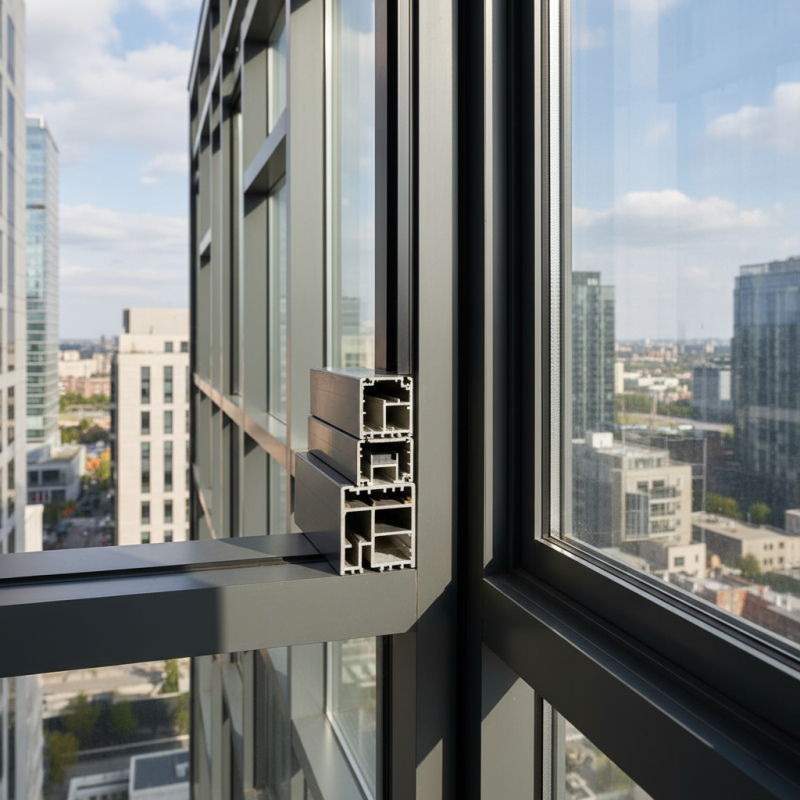
In residential buildings, thermal break profiles are often used in windows and doors. They help maintain comfortable indoor temperatures and lower energy bills. In commercial buildings, these profiles are essential for curtain walls and facades. They enhance the aesthetic appeal while ensuring structural integrity. Choosing the right profiles can have long-term benefits for both the environment and the building’s occupants.
Tips: Consider the specific climate of your project. Assess how thermal breaks can optimize energy performance in extreme conditions. Research the installation methods to ensure durability and effectiveness. Engage with industry experts for tailored solutions to complex design requirements. A well-informed choice can lead to a more efficient building.
Top Thermal Break Aluminum Profiles in Global Construction Applications
This chart represents the different application areas of thermal break aluminum profiles in the construction sector, highlighting their significance in various construction projects.
Global Suppliers of Thermal Break Aluminum Profiles
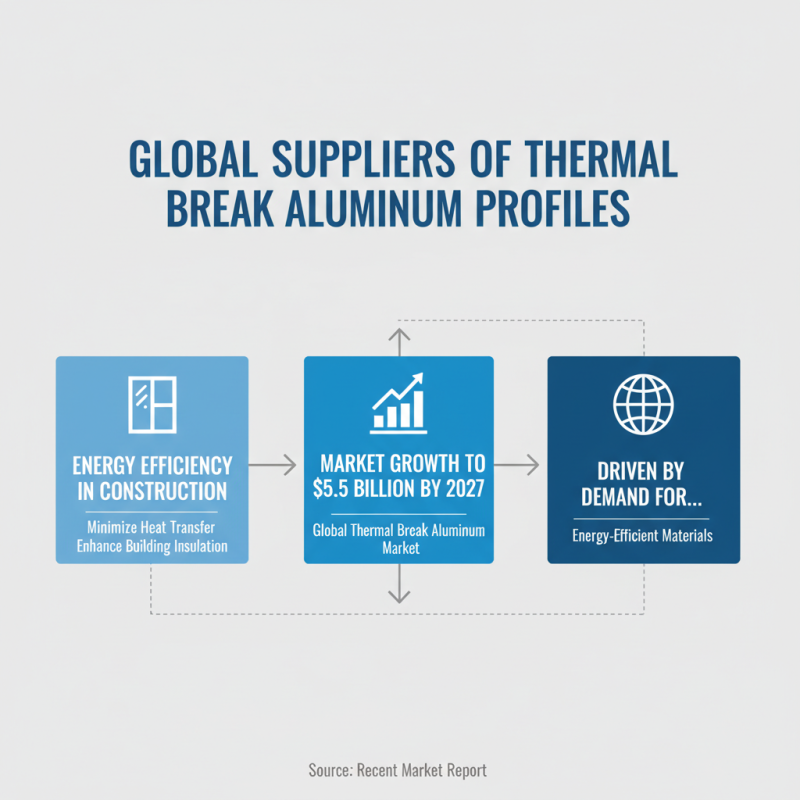
In the realm of construction, thermal break aluminum profiles play a crucial role in energy efficiency. A recent market report highlighted that the global thermal break aluminum market is expected to reach $5.5 billion by 2027, driven by increasing demand for energy-efficient materials. These profiles are designed to minimize heat transfer, thus enhancing the overall insulation of buildings.
Industry experts recommend selecting profiles with high thermal resistance ratings. Profiles with polyurethane or polyamide thermal breaks can achieve superior insulation. When sourcing these materials, buyers should evaluate suppliers based on their production capabilities and certifications. Reliable suppliers often maintain compliance with international standards, ensuring product quality and performance.
**Tip:** Always request thermal performance data from suppliers. It’s beneficial to understand their testing methods and outcomes. Some suppliers might overstate their profiles' efficiency without solid backing.
Cost considerations also come into play. Higher quality profiles may seem expensive initially, but they offer long-term savings through reduced energy consumption. Buyers should weigh upfront costs against potential energy savings.
**Tip:** Consider the long-term return on investment when choosing thermal break aluminum profiles. Effective insulation can significantly reduce heating and cooling costs.
Factors to Consider When Choosing Thermal Break Aluminum Profiles
When selecting thermal break aluminum profiles, several factors significantly influence your decision. The profile's insulation performance is essential due to its direct impact on energy efficiency. You should look at the thermal conductivity ratings. Lower ratings usually indicate better insulation.
Another crucial factor is the durability of the aluminum. Profiles must withstand environmental stresses. This includes exposure to moisture and temperature fluctuations. A robust coating can enhance resistance to corrosion. Look for specifications related to longevity and maintenance needs.
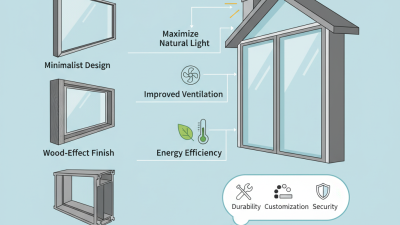
Design flexibility also bears consideration. Thermal break profiles should accommodate various architectural styles. You may find some profiles can integrate seamlessly into glass facades or slim windows. Balancing aesthetics with functionality is important, but it’s easy to overlook. Reflect on your project's overall requirements to make an informed choice. The right choice enhances comfort and reduces energy costs.