2026 Best Thermal Break Aluminium Profiles for Global Buyers?
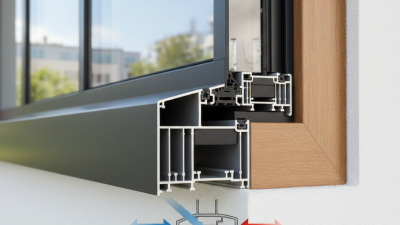
As the building industry advances, the demand for energy-efficient materials grows. One key player in this transition is Thermal Break Aluminium Profiles. These profiles offer an innovative solution for reducing heat transfer in buildings. They help maintain comfortable indoor temperatures, boosting energy efficiency.
Global buyers seek the best products. Understanding the nuances of Thermal Break Aluminium Profiles is essential. Factors like thermal performance, structural integrity, and aesthetic appeal influence purchasing decisions. Each profile varies in design and application. Some are tailored for residential buildings, while others suit commercial projects.
Choosing the right profiles can be challenging. Many options exist in the market. Buyers must consider their specific needs, such as climate and building type. It's important to weigh these factors carefully. This exploration of the best profiles in 2026 will guide buyers towards informed decisions.
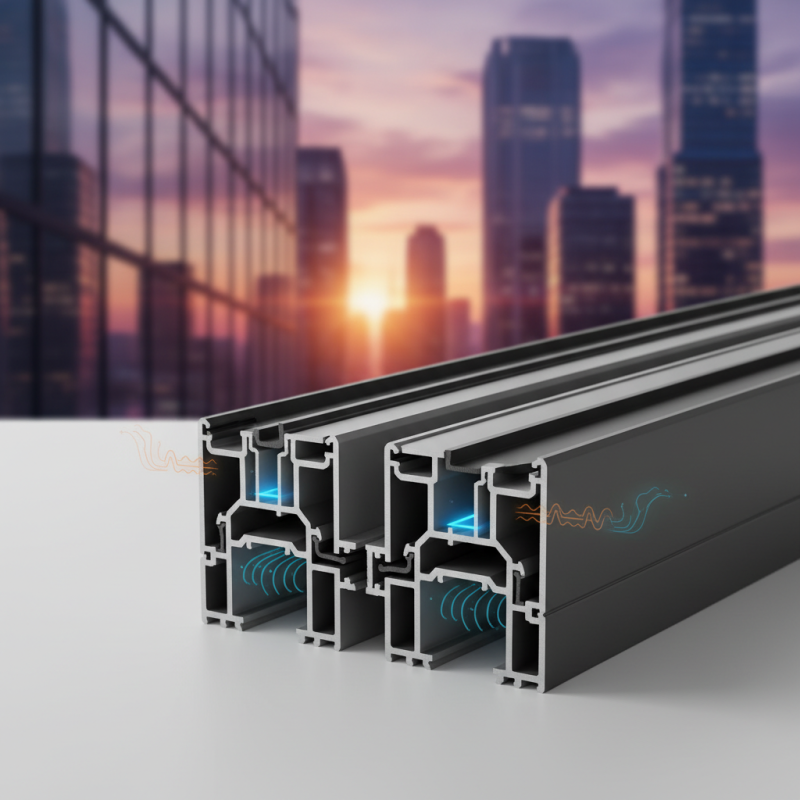
2026 Overview of Thermal Break Aluminium Profiles in Global Markets
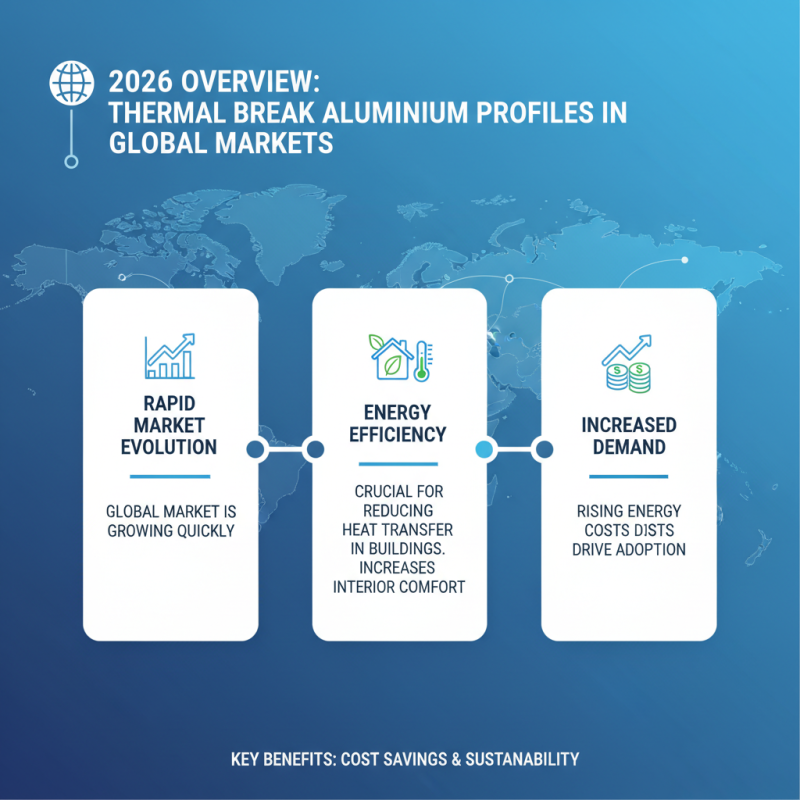
The global market for thermal break aluminium profiles is evolving rapidly. These profiles are crucial for improving energy efficiency in buildings. They help reduce heat transfer, making interiors more comfortable. As energy costs rise, demand for these materials has increased significantly.
Innovation in design and technology is evident. Manufacturers are focusing on lighter, stronger profiles. Improved insulation properties are a key feature. However, not all products meet the expectations of sustainability and performance. There is a growing need for rigorous testing and standards to ensure quality.
Market trends indicate a shift toward eco-friendly materials. This change prompts producers to reflect on their sourcing methods. Transparency in production processes is becoming more important. Buyers seek reliable suppliers who can demonstrate commitment to environmental standards. Despite advancements, challenges remain in achieving uniformity in quality and performance across different markets.
Key Features and Benefits of Thermal Break Aluminium Profiles
Thermal break aluminium profiles are gaining attention in the construction industry. These profiles significantly enhance energy efficiency in buildings. According to the Global Aluminium Extrusion Market Report, demand for thermal break solutions is expected to grow by 5.1% annually through 2026. This indicates a rising recognition of their importance.
One key feature of thermal break aluminium profiles is their ability to minimize heat transfer. This technology prevents cold or warm air from escaping, leading to lower heating and cooling costs. Research published in the Journal of Building Physics found that buildings using thermal break profiles can reduce energy consumption by 30% on average. These profiles also improve condensation resistance, which is crucial for maintaining indoor air quality.
Durability is another significant benefit. Thermal break systems are designed to withstand harsh environmental conditions, reducing maintenance needs. However, not all products perform equally. Some profiles lose their thermal efficiency over time due to inadequate materials or poor installation. This highlights the need for careful selection and reliable professionals. As the market grows, buyers must seek reputable suppliers to ensure quality and performance.
Top Manufacturers of Thermal Break Aluminium Profiles Worldwide
Thermal break aluminium profiles are essential in modern construction. They offer
improved insulation, energy efficiency, and durability. For global buyers, choosing the right manufacturers is crucial.
These profiles help minimize heat transfer, making buildings more comfortable. A focus on performance and
reliability is vital when selecting a supplier.
Several manufacturers specialize in thermal break aluminium profiles. They utilize advanced technology
to enhance product quality. Global buyers should consider companies with substantial industry experience.
A good manufacturer will provide detailed specifications and durability tests. Assessing their commitment to quality can lead
to better outcomes for projects.
Tips: Look for certifications and compliance with industry standards. This indicates reliability.
Sometimes companies may underperform, despite their claims. Consider asking for samples to evaluate the product before placing bulk orders.
Always conduct thorough research to understand the market trends, ensuring informed decisions.
Comparative Analysis of Thermal Break Aluminium Profiles for Different Uses
When selecting thermal break aluminium profiles, it's essential to consider various applications. Residential buildings often require profiles that improve insulation and energy efficiency. These profiles have characteristics that minimize heat transfer, which is vital in colder climates. In contrast, commercial buildings may focus on structural strength and aesthetic appeal. Thus, the selection criteria differ based on the specific use case.
Thermal break profiles can also be compared in terms of design flexibility. Some designs cater to modern architecture, with sleek lines and a minimalist appearance. Others prioritize durability and resistance to harsh weather conditions. While many profiles offer excellent thermal performance, some might not fit every architectural style. Building professionals should assess both functionality and visual appeal before making a decision.
A critical point of reflection is the long-term sustainability of materials. Recycled aluminium profiles can reduce environmental impact. However, the quality variation can lead to performance issues over time. Buyers must carefully evaluate the trade-offs between cost, sustainability, and reliability. Focusing solely on price might result in higher energy bills down the line. Therefore, thorough research and due diligence are crucial in making an informed choice.
Comparative Analysis of Thermal Break Aluminium Profiles
This chart displays the thermal break efficiency of various aluminium profiles used in different sectors, including residential, commercial, industrial, and architectural applications. The data indicates the temperature differences achieved by these profiles, demonstrating their effectiveness in providing thermal insulation.
Sustainability and Environmental Impact of Thermal Break Aluminium Profiles
Thermal break aluminium profiles have gained attention for their sustainability and environmental benefits. These profiles enhance energy efficiency in buildings by reducing thermal transfer. They help maintain comfortable indoor temperatures, lowering heating and cooling costs significantly.
The production of thermal break aluminium profiles does present environmental concerns. The extraction of raw materials has an impact on ecosystems. Manufacturing processes can sometimes lead to carbon emissions. This raises questions about the overall sustainability of materials. While these profiles increase energy efficiency, their lifecycle impacts must be evaluated carefully.
Recycling is a key area for improvement in this industry. Aluminium is highly recyclable, offering a second life to materials. However, not all profiles are designed with recyclability in mind. Research and development can focus on creating profiles that are easier to recycle. This step would contribute to a more sustainable future. Achieving balance between performance and environmental impact requires continuous innovation.