Leave Your Message

How to Choose the Best Aluminum Scaffolding Pipe?

Choosing the right Aluminum Scaffolding Pipe is not simply a matter of comparing prices or selecting the lightest option. A dependable choice begins with the work itself. Consider the required height, platform load, span length, weather exposure, storage conditions, and frequency of assembly. A pipe that feels easy to carry may not provide enough stiffness under repeated use. Weight alone can mislead.

Dr. David Michaels, a workplace safety expert and former OSHA Assistant Secretary, said, “Safety is not just a priority; it is a value.” That principle applies directly to scaffolding selection. Buyers should examine alloy strength, wall thickness, surface condition, connection compatibility, and manufacturer testing. Look for clear technical data, traceable quality records, and instructions that workers can understand quickly. A clean, straight pipe matters. Small dents, crushed ends, or deep scratches should not be ignored.

The best Aluminum Scaffolding Pipe also fits the entire system, not just one project. Check whether the tubes match couplers, frames, braces, and adjustable components already in use. Confirm the rated capacity through qualified professionals and applicable local requirements. Do not rely on attractive photographs or vague claims.

There is room for judgment.

Even experienced teams can choose poorly when deadlines dominate the discussion. This guide cannot predict every site condition, and no checklist replaces competent inspection. Still, careful comparison reduces avoidable mistakes. The strongest decision balances portability, durability, load performance, corrosion resistance, and verified safety information. That balance protects workers and helps the equipment remain useful through many demanding projects.
How to Choose the Best Aluminum Scaffolding Pipe?

What Aluminum Scaffolding Pipe Is and How It Is Used

How to Choose the Best Aluminum Scaffolding Pipe?

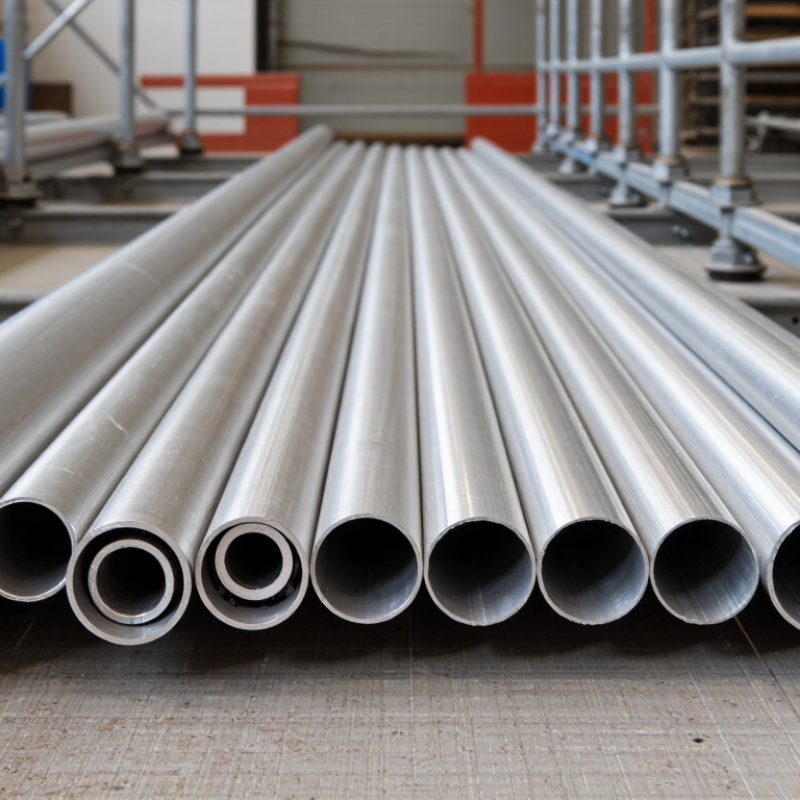
Aluminum scaffolding pipe is a lightweight, hollow tube used to build temporary access structures. It commonly supports platforms, guardrails, braces, and working frames. Its low weight makes transport easier on busy construction sites. Workers can lift many sections without mechanical equipment. That saves time, but it does not remove handling risks.

The pipe’s alloy, wall thickness, diameter, and surface condition affect its performance. Stronger aluminum alloys can improve load capacity while keeping the structure manageable. However, a thicker pipe is not automatically the best choice. Design calculations must match the intended height, span, platform load, and connection method. Check the manufacturer’s test data and applicable local safety requirements. Never rely on appearance alone.

Aluminum scaffolding pipes are useful for building maintenance, industrial inspection, event setup, and indoor renovation. They resist corrosion better than ordinary steel, especially in damp environments. Still, dirt, dents, cracked ends, and damaged fittings can weaken a completed frame. Inspect every section before assembly. Small defects matter. A common mistake is choosing the lightest pipe to reduce labor. That decision may create unwanted movement under load. The safest selection balances weight, strength, compatibility, and trained installation. An uneven floor can also change the risk, even when the pipe itself meets specifications.
Which Aluminum Grades and Pipe Specifications Matter Most

Choosing aluminum scaffolding pipe starts with the alloy, not the surface finish. For many structural applications, 6061-T6 offers higher strength and better resistance to permanent deformation. 6063-T5 or 6063-T6 is easier to form and often provides a smoother finish. However, its lower strength may limit demanding load conditions. Temper matters as much as the alloy number. Heat treatment changes performance significantly.

Pipe diameter, wall thickness, straightness, and connection fit must match the scaffold design. A 48.3 mm outside diameter is common in some systems, but it is not universal. Never assume steel fittings will fit aluminum tubes correctly. Measure the actual outside diameter and check wall thickness with suitable tools. Thin walls reduce weight, yet they can increase denting and local buckling. Aluminum also deflects more than steel under similar loads. That detail is easy to miss.

Inspect weld zones carefully. Heat can reduce strength near welded joints, even when the parent tube is strong. Look for flattened ends, deep scratches, corrosion marks, and oval sections. Clean contact surfaces before assembly. Keep dissimilar metals separated where galvanic corrosion may occur. A practical lesson from site checks is simple: a lighter pipe is not automatically a safer pipe. I have seen specifications focus on tensile strength while ignoring joint behavior and deflection. That approach needs reconsideration. Confirm allowable loads, inspection intervals, and connection requirements against the applicable engineering design and local safety rules.

How to Match Pipe Strength With Scaffolding Load Requirements

How to Choose the Best Aluminum Scaffolding Pipe?

How to Match Pipe Strength With Scaffolding Load Requirements

Choosing an aluminum scaffolding pipe starts with the actual load, not the pipe’s appearance. Calculate workers, tools, stored materials, platform weight, and environmental forces. Include uneven loading, movement, and wind exposure. A pipe supporting one worker may face very different stress beside a material loading area. Small details matter.

Check the pipe’s alloy, temper, outside diameter, wall thickness, and unsupported length. These factors affect bending strength and buckling resistance. A thicker wall does not automatically make the safest choice. Joint design, bracing, base support, and platform spacing also change the load path. A rigid-looking tube can still fail when its length is excessive. It happens.

Use manufacturer test data and calculations based on applicable local scaffolding standards. A qualified engineer should verify the design, especially for tall, irregular, or heavily loaded structures. Field inspections should look for dents, cracks, corrosion, loose fittings, and permanent bends. Damaged aluminum may retain its shine while losing important strength.

A practical check is to compare the calculated load with the pipe’s permitted working capacity, using an appropriate safety factor. Do not treat a catalog value as a universal answer. Temperature, repeated assembly, poor alignment, and unexpected impact may reduce performance. I have seen teams focus on pipe size while overlooking weak connections. That shortcut deserves scrutiny.

How to Evaluate Safety, Durability, Weight, and Corrosion Resistance

How to Choose the Best Aluminum Scaffolding Pipe?

Safety should guide every pipe selection. Check the manufacturer’s load rating, alloy specification, wall thickness, and connection compatibility. A pipe may look strong but still fail under bending, loose fittings, or uneven loading. Inspect welds, ends, and locking points for cracks, distortion, or sharp damage. Use a qualified person to confirm the design, assembly, and site conditions. Never guess.

Durability depends on more than thickness. Firm aluminum with consistent dimensions usually resists dents and repeated handling better. However, overly thick pipe adds unnecessary weight and makes erection harder. I have seen workers carry lightweight sections more easily, yet lighter parts can feel less stable when poorly supported. That trade-off deserves careful review. Ask for inspection records, test data, and clear production tolerances. Reliable documentation matters.

Tips: Compare strength-to-weight performance, not weight alone. Check whether fittings match the pipe diameter precisely. Keep pipes away from wet concrete, trapped water, and dissimilar metals, which may accelerate corrosion. Aluminum naturally forms a protective oxide layer, but salt air and chemical exposure can weaken that protection. Clean contaminated surfaces promptly and store pipes above the ground. Small oversights matter. Recheck every section before use.

How to Choose the Best Aluminum Scaffolding Pipe?

Typical minimum yield-strength values are shown for commonly used aluminum alloys. Higher yield strength can provide greater structural safety and resistance to permanent deformation, but pipe diameter, wall thickness, weld quality, connection design, bracing, and the applicable scaffolding standard must also be verified. Aluminum density is approximately 2,700 kg/m³ across these alloys, so weight is influenced mainly by the pipe dimensions and wall thickness. Corrosion resistance is generally good, while surface treatment and drainage are important in coastal or chemical environments.

How to Select a Reliable Supplier and Verify Product Quality

How to Choose the Best Aluminum Scaffolding Pipe?

A reliable supplier should explain more than pipe diameter and surface finish. Ask where the aluminum is produced, how it is tempered, and which quality system controls production. An experienced supplier can provide material certificates, batch numbers, inspection records, and clear load data. Vague answers deserve caution.

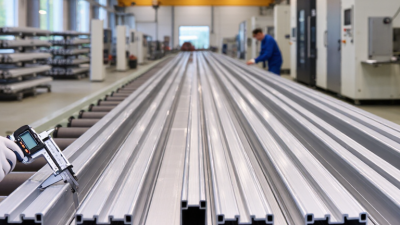
Request a sample before placing a large order. Measure its outer diameter, wall thickness, and length with calibrated tools. Check the surface for dents, cracks, sharp edges, and uneven anodizing.

The pipe should feel light but rigid, with consistent dimensions along its full length. Ask for independent testing when the project has demanding safety requirements.

Documents matter. Physical evidence matters more.

I once trusted a polished product brochure too quickly. That was a mistake. A capable supplier should welcome factory audits, sample testing, and questions about rejected batches. Confirm packaging quality, delivery control, replacement terms, and technical support.

Keep every specification in writing. A low price may hide thinner walls or unstable material properties.

I would also compare several samples, because one good piece cannot represent an entire shipment. Supplier honesty is valuable, but repeatable inspection is more reliable.