Top Thermal Break Aluminium Profiles for Global Buyers 2026?
As the demand for energy-efficient building solutions increases, Thermal Break Aluminium Profiles have become essential. These profiles play a crucial role in improving thermal performance. They help reduce heat transfer, making buildings more energy-efficient.
In 2026, global buyers are expected to prioritize these profiles. With advancements in technology, manufacturers are innovating to create better options. However, not all profiles are created equal. Buyers must consider factors like insulation value and durability when making choices.
Choosing the right Thermal Break Aluminium Profiles can present challenges. Many options can confuse buyers. Understanding the specific needs of your project is vital. This knowledge will ensure that you select profiles that meet energy efficiency goals while maintaining structural integrity.
Overview of Thermal Break Aluminium Profiles in 2026
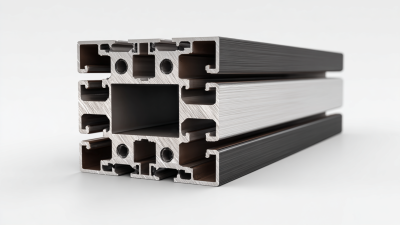
In 2026, thermal break aluminium profiles are poised to gain increased attention in the construction sector. These profiles are designed to improve energy efficiency by reducing heat transfer. Buyers worldwide are looking for solutions that integrate sustainability with functionality. The growing emphasis on eco-friendly building materials makes thermal break profiles particularly attractive. Their design features create a barrier against thermal bridging, enhancing the comfort of indoor spaces.
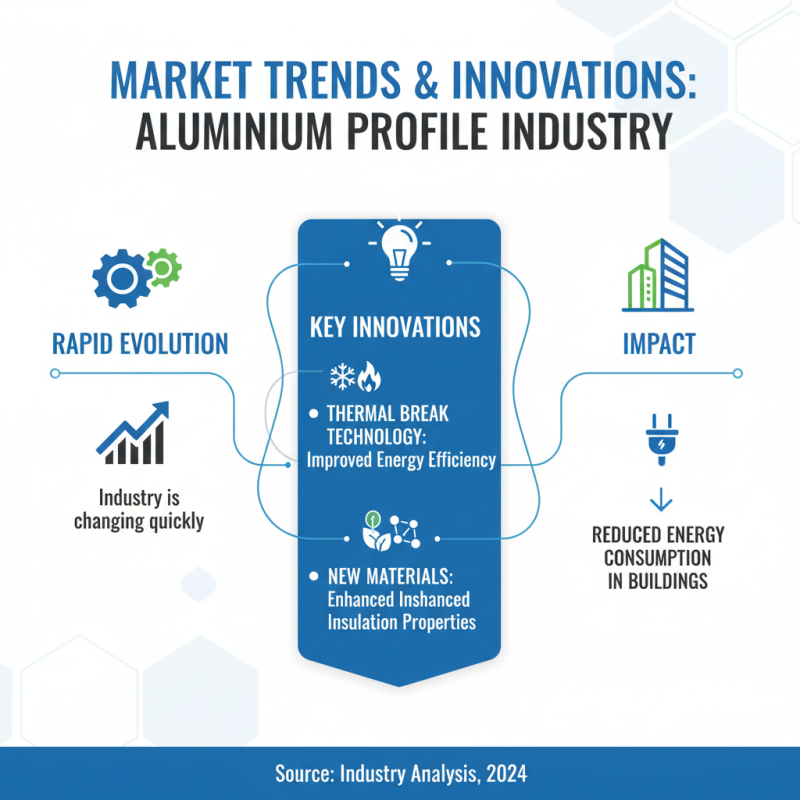
Experts predict a surge in demand due to stricter energy regulations. Many countries are setting higher standards for building materials. This trend pushes manufacturers to innovate frequently. Expect to see profiles that not only meet energy efficiency guidelines but also function well in diverse climates. There may still be concerns regarding cost and production processes, leading to reflections on how to balance quality with affordability. Overall, 2026 could be a pivotal year for thermal break aluminium profiles as they help shape a more energy-efficient future in construction.
Top Thermal Break Aluminium Profiles for Global Buyers 2026
| Profile Type |
Thermal Break Material |
Width (mm) |
Height (mm) |
Weight (kg/m) |
Applications |
Market Trends |
| Sliding Door Profile |
Polyamide |
70 |
200 |
2.5 |
Residential & Commercial |
Growing demand for energy-efficient solutions |
| Window Profile |
Thermoplastics |
60 |
150 |
1.8 |
High-rise & Low-rise buildings |
Sustainability awareness increasing adoption |
| Curtain Wall Profile |
Polyurethane |
100 |
300 |
4.0 |
Commercial buildings & Skyscrapers |
Shift towards lightweight and efficient materials |
| Bifold Door Profile |
Integrated Thermal Break |
80 |
210 |
3.2 |
Open spaces & patios |
Increased focus on indoor-outdoor living |
Key Features and Benefits of Thermal Break Aluminium Profiles
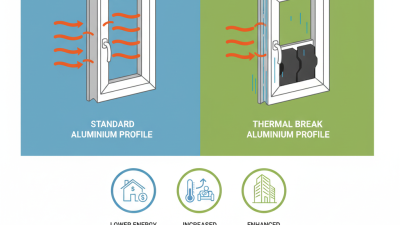
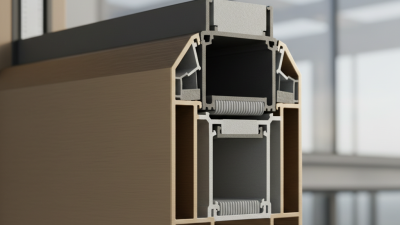
Thermal break aluminium profiles play a crucial role in energy efficiency. These profiles separate the interior and exterior sections of windows and doors. This design minimizes heat transfer, significantly improving thermal insulation. According to recent studies, using thermal break solutions can reduce energy costs by up to 30%.
Many buyers appreciate the lightweight yet durable nature of thermal break aluminium. The profiles can withstand various weather conditions. They resist corrosion, ensuring a long lifespan. This feature is especially important in areas with extreme climates. An industry report highlights that the demand for these profiles increased by 15% in the past year.
Tips: Consider the U-value when selecting profiles. A lower U-value means better insulation properties. Check for certification from recognized bodies to ensure quality. Not all thermal break profiles are created equal. Always compare specifications before making a purchase.
Popular Global Manufacturers of Thermal Break Aluminium Profiles
When exploring thermal break aluminium profiles, understanding global manufacturers is essential. These profiles play a crucial role in enhancing energy efficiency in buildings. They minimize thermal bridging and contribute to better insulation. In recent years, manufacturers have invested significantly in R&D, leading to innovative designs and increased sustainability.
Different manufacturers have unique strengths. Some excel in durability, while others prioritize design flexibility. This diversity can be overwhelming. Buyers often struggle to select the right profiles that meet their specific requirements. It's vital to evaluate each manufacturer based on performance, sustainability efforts, and industry certifications. A strong emphasis on quality control can indicate a reliable partner.
Choosing the right supplier involves careful consideration. Buyers should not only focus on cost but also on the long-term benefits of thermal break profiles. Engaging with various manufacturers allows buyers to ask questions and gather insights. Challenges may arise when a profile does not meet expectations. It's a reminder to thoroughly review specifications before finalizing decisions.
Top Thermal Break Aluminium Profiles for Global Buyers 2026
Applications and Uses of Thermal Break Aluminium Profiles in Construction
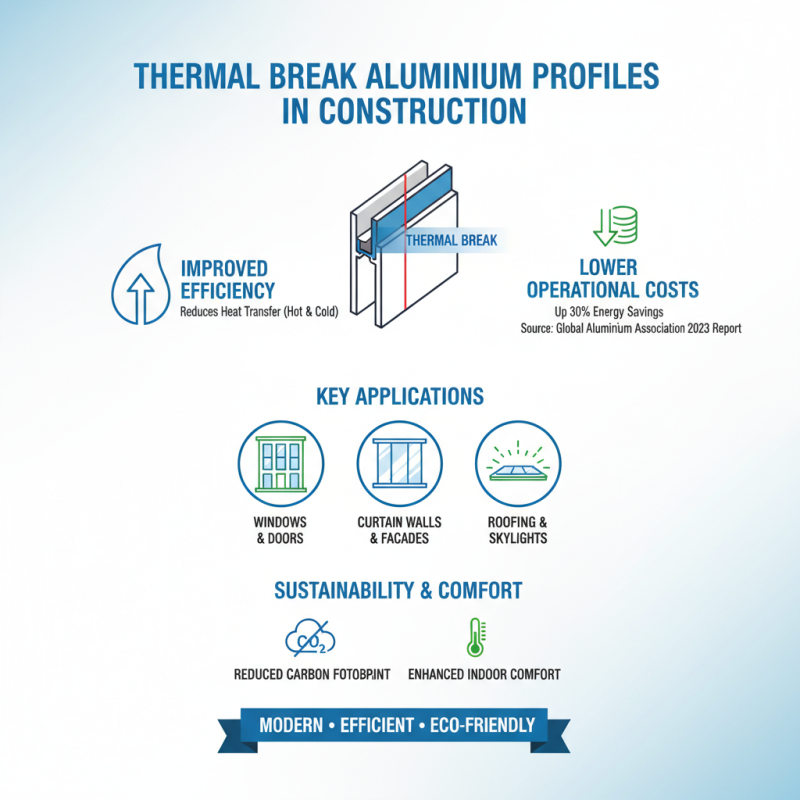
Thermal break aluminium profiles play a vital role in modern construction. They improve energy efficiency by reducing heat transfer. According to a 2023 report from the Global Aluminium Association, these profiles can decrease energy consumption by up to 30%. This is essential for buildings aiming for sustainability while minimizing operational costs.
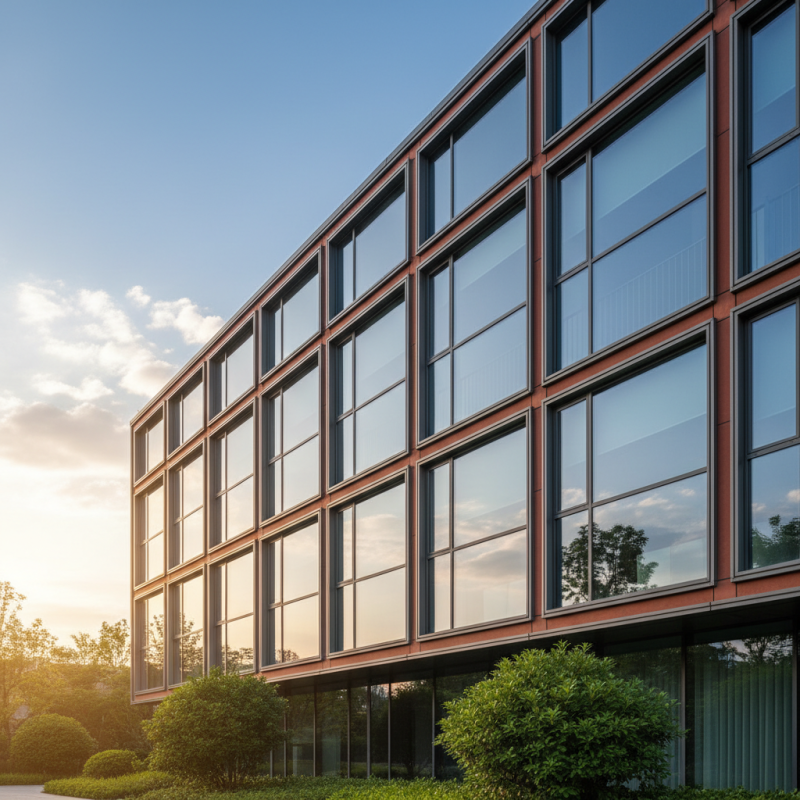
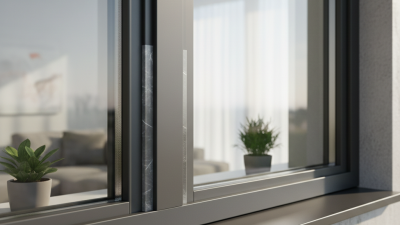
In construction, these profiles are widely used in windows, doors, and façades. They create a barrier that prevents thermal bridging, ensuring comfortable indoor temperatures. Additionally, they enhance sound insulation. A recent study indicated that architectural designs incorporating thermal break profiles experienced 15% less noise pollution. This is increasingly crucial in urban environments where noise control becomes a priority.
Despite their advantages, there are challenges. The initial costs of thermal break aluminium profiles can be higher than standard materials. Some contractors may hesitate to invest upfront. Yet, the long-term energy savings often justify this initial expense. Moreover, ongoing maintenance may be needed to prevent performance degradation. Balancing these factors is key for builders and architects.