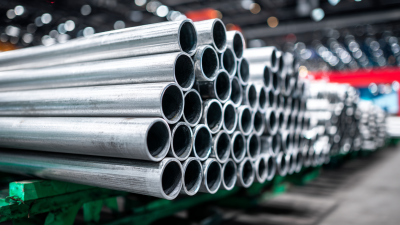
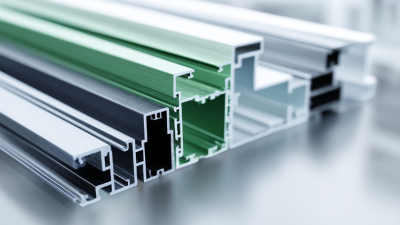
Why Choose Aluminum Scaffolding Pipe for Your Construction Projects?
When considering construction projects, the choice of materials is crucial. One standout option is the Aluminum Scaffolding Pipe. This innovative product offers a range of benefits that enhance safety and efficiency on job sites. Its lightweight nature makes it easy to transport and assemble, which saves time.
Moreover, Aluminum Scaffolding Pipe boasts impressive durability. It can withstand harsh weather conditions, reducing the need for frequent replacements. This can lead to significant cost savings over time. However, some might argue it lacks the sturdiness of heavier materials, so careful consideration of project needs is essential.
Incorporating Aluminum Scaffolding Pipe can streamline workflows. Its versatility suits various construction tasks, from residential projects to large commercial buildings. Using this material often improves overall project timelines. However, it's important to hire experienced professionals who understand its proper application for the best results.
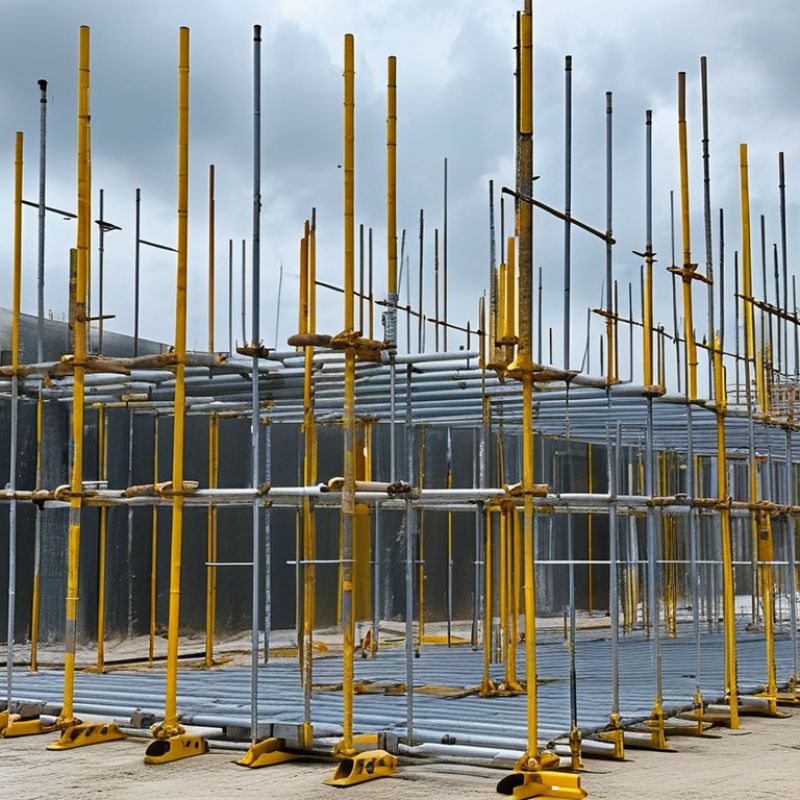
Benefits of Using Aluminum Scaffolding in Construction Projects
Aluminum scaffolding is becoming increasingly popular in construction projects. Its lightweight nature makes it easy to transport and assemble. According to recent industry reports, aluminum scaffolding can reduce labor costs by up to 25%. Workers can set up and dismantle the scaffolding more quickly. This efficiency is crucial for project timelines.
Durability is a standout feature. Aluminum resists rust and corrosion, which is essential in various weather conditions. An estimated 30% of construction delays stem from equipment failure. Choosing aluminum scaffolding minimizes these risks. Safety is paramount; aluminum scaffolding can support heavy loads while offering stability. Data shows that construction sites using aluminum systems experience 40% fewer accidents.
Yet, there are considerations. The initial cost can be higher than traditional materials. Not every project may justify this expense. Understanding the specific needs of the construction site will guide the decision. Weighing the benefits against potential drawbacks is vital for project success.
Durability and Strength: Why Aluminum Pipes Are the Best Choice
Aluminum scaffolding pipes are becoming increasingly popular in construction projects. Their durability and strength make them an ideal choice. According to a report by the American Institute of Steel Construction, aluminum can withstand extreme weather conditions without corroding. This leads to a longer lifespan compared to other materials.
In the construction industry, strength matters. Aluminum pipes are known for their high strength-to-weight ratio. This makes them easy to handle and assemble on-site. They can support heavy loads while remaining lightweight. A study conducted by the National Institute of Standards and Technology found that aluminum structures had a higher resilience to impacts. This quality can reduce the risk of accidents during projects.
Tip: Always check the quality of your scaffolding materials. Lower-quality aluminum might not meet safety standards. Choosing the right material can save money in the long run. Additionally, ensure that all employees are trained in proper handling techniques to minimize workplace injuries. Using aluminum scaffolding pipes not only enhances construction safety, but it also improves overall project efficiency.
Lightweight Nature of Aluminum Scaffolding for Improved Mobility
Aluminum scaffolding is increasingly preferred in construction due to its lightweight nature. Conventional scaffolding made from steel can weigh significantly more, making transportation and assembly arduous. According to industry data, aluminum scaffolding can be up to 30% lighter than steel alternatives. This reduction in weight results in improved mobility on job sites, enhancing overall efficiency.
Workers can easily maneuver aluminum scaffolding systems, reducing the risks associated with lifting and carrying heavy materials. Studies show that lightweight scaffolding can cut down assembly time by as much as 20%. Enhanced mobility is particularly beneficial in urban areas where space is limited. However, not all projects will fare better with aluminum. Some may require the sturdiness of steel in challenging conditions.
While lightweight scaffolding boosts productivity, it is essential to consider certain drawbacks. For instance, aluminum lacks the same resistance to extreme weather as steel. Therefore, application in certain environments must be assessed carefully. Additionally, proper training on assembly and safety is crucial to prevent accidents. Reflecting on your project needs is vital before choosing the right scaffolding material.
Cost-Effectiveness of Aluminum Scaffolding in Long-Term Projects
Aluminum scaffolding pipes have become a popular choice in construction due to their cost-effectiveness, especially in long-term projects. Compared to traditional materials like steel, aluminum is lighter and easier to handle. This portability allows for quicker assembly and disassembly. As labor costs rise, the efficiency of aluminum scaffolding can lead to significant savings over time.
When considering long-term investments, the durability of aluminum is worth noting. It resists corrosion and can withstand various weather conditions. This resilience reduces the need for frequent replacements or repairs. Companies save on both materials and labor when using aluminum scaffolding over an extended period.
**Tips:** Always assess your specific project needs. Evaluate the total cost of ownership and not just the initial purchase price. Consider potential hidden costs, such as maintenance and storage. Aluminum might require less upkeep, but the upfront cost can still be a deterrent. Investigate whether lightweight materials are suitable for your specific work environment.
Environmental Impact: Sustainability of Aluminum in Construction
Aluminum scaffolding pipes are becoming a popular choice in construction. Their lightweight nature makes them easy to handle, reducing the risk of injury. However, the environmental impact of using aluminum deserves attention. Aluminum can be recycled multiple times without losing its quality. This feature significantly reduces waste in landfills.
While extracting aluminum requires energy, the overall lifecycle emissions can be lower compared to other materials. Many studies indicate that recycling aluminum saves up to 90% of the energy needed for primary production. This energy efficiency is a significant advantage. Moreover, aluminum is resistant to corrosion, which extends the lifespan of scaffolding structures. This durability leads to fewer replacements over time, which is eco-friendly.
However, reliance on aluminum raises questions about mining practices. The process can disrupt local ecosystems and communities. Sustainable sourcing is essential. One must consider the balance between benefits and environmental concerns. Investing in responsibly sourced aluminum can help mitigate negative impacts. As construction projects evolve, the focus must remain on sustainable practices while utilizing materials effectively.
Why Choose Aluminum Scaffolding Pipe for Your Construction Projects? - Environmental Impact: Sustainability of Aluminum in Construction
| Dimension |
Aluminum Scaffolding Pipe |
Steel Scaffolding Pipe |
| Weight |
Lightweight (2.5 kg/m) |
Heavy (6.5 kg/m) |
| Corrosion Resistance |
High |
Moderate (Requires treatment) |
| Recyclability |
100% |
60% |
| Durability |
High |
Moderate |
| Carbon Footprint |
Low |
High |