Choosing the right material for a global project involves more than appearance. Wood Grain Aluminum Tube combines a warm, timber-like surface with the practical advantages of aluminum. It can support consistent visual design across façades, railings, interior partitions, and outdoor structures. Its lighter weight may simplify handling during installation. That matters when materials travel between countries and arrive on different schedules.
In project reviews, durability depends on details that are easy to overlook. The coating process, tube thickness, alloy grade, joint design, and drainage method all influence performance. A textured wood finish can hide small marks, but it cannot correct poor fabrication. Climate also changes the decision. Coastal air, strong sunlight, freezing temperatures, and frequent rain require different specifications. Samples should be checked under real lighting, not only in a digital catalog.
Reliable suppliers should provide coating information, dimensional tolerances, test records, and traceable production data. Local engineers must still confirm structural calculations, fire requirements, and applicable building codes. Global approval is never automatic. It is not a magic material.
Wood Grain Aluminum Tube can reduce maintenance compared with natural timber in many applications, but project teams should compare costs honestly. Transport, machining, replacement parts, and installation labor may change the final budget. In my experience, the best results come from early sample testing and clear communication between designers, fabricators, and contractors. Some specifications may need revision after testing. That is a weakness worth accepting. A careful review is more reliable than a confident promise.
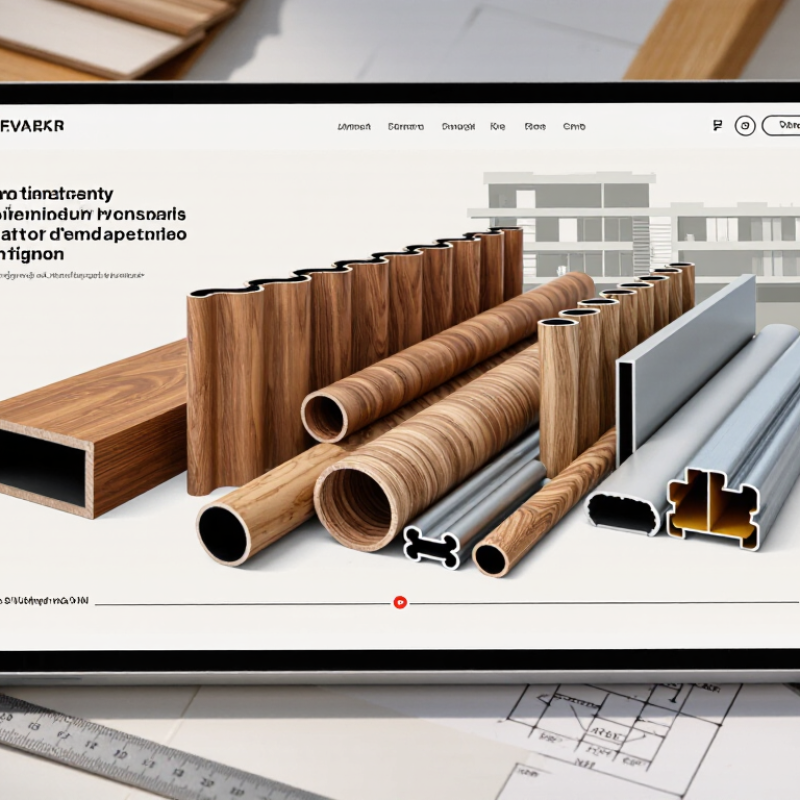
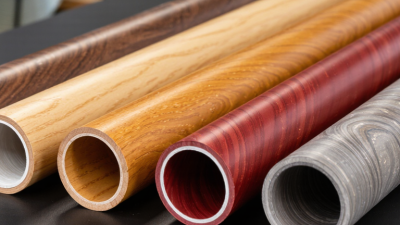
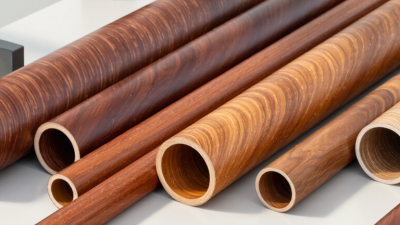
Wood grain aluminum tube is an extruded aluminum profile finished to resemble natural timber. It is not wood, and that distinction matters. Manufacturers usually create the effect through powder coating, sublimation transfer, or printed surface films. The process bonds a grain pattern onto the metal, producing finishes such as oak, walnut, or ash. The tube can be round, square, rectangular, or custom-shaped for screens, railings, pergolas, lighting structures, and façade details.
Aluminum provides a stable core. It resists rot, insects, and moisture better than untreated timber. In practical installation, this means fewer concerns around humid coastlines, rain exposure, and daily cleaning. The International Aluminium Institute states that recycling aluminum requires about 5% of the energy used for primary production. That gives the material a measurable circularity advantage when project teams specify recycled content and plan for recovery.
Still, the wood effect is not maintenance-free. Sharp impacts can damage the coating, and poor pretreatment may cause early adhesion failure. Color variation can also appear between production batches. I have seen samples look identical indoors but differ under strong sunlight. That detail deserves more attention. The Global Powder Coatings Market reports continued demand for durable architectural coatings, but market growth does not replace proper testing. For global projects, buyers should request coating specifications, adhesion results, UV resistance data, and batch-control procedures before approving large quantities.

Wood grain aluminum tube begins as a precision extrusion, not a printed plastic profile. Aluminum billets are heated, pressed through a shaped die, cooled, and cut to project dimensions. The tube may then be straightened and checked for wall thickness, diameter, and surface defects. Small deviations matter.
Technicians clean and chemically pretreat the surface before applying a durable powder primer or base coat. After curing, a wood-pattern film transfers grain lines and tonal variation onto the coated aluminum under controlled heat and pressure. A second curing stage locks the pattern in place and improves resistance to moisture, sunlight, and handling. The result should resemble timber without absorbing water or supporting decay. Yet no finish is perfectly identical.
Reliable production includes adhesion testing, color comparison, coating-thickness checks, and dimensional inspection at several stages. For global projects, manufacturers also review packaging, climate exposure, and installation tolerances before release. In practical inspections, the most overlooked issue is matching samples under different lighting. A warm showroom can hide a cooler outdoor tone. That deserves a second look.
| Manufacturing Stage | Typical Material or Parameter | What Happens | Quality-Control Focus | Relevance to Global Projects |
|---|---|---|---|---|
| Alloy Selection | 6063 aluminum alloy is commonly used for architectural profiles; 6061 may be selected when higher structural strength is required. | The alloy billet is selected according to the tube geometry, required strength, surface quality, and extrusion performance. | Verify alloy composition and temper against the approved technical specification and applicable material standard. | Standardized alloy designations simplify engineering communication, procurement, and replacement across international supply chains. |
| Billet Heating | Approximately 400–500°C, subject to alloy, billet size, and extrusion equipment. | The aluminum billet is heated to a controlled temperature before it is pressed through a steel die. | Monitor billet temperature, heating uniformity, and surface cleanliness to reduce cracking, tearing, and dimensional variation. | Stable heating conditions support repeatable production for projects with multiple batches or different shipment schedules. |
| Extrusion | Common tube wall thickness: approximately 1.0–3.0 mm; actual limits depend on diameter and section design. | A hydraulic press forces softened aluminum through a die that forms the required round, square, rectangular, or custom tube profile. | Check outside dimensions, wall thickness, straightness, twist, surface defects, and die marks. | Custom dies allow the tube to be optimized for weight, installation method, load requirements, and visual design. |
| Quenching and Aging | Controlled cooling followed by artificial aging; common architectural tempers include T5 or T6, depending on alloy and specification. | The extruded profile is cooled and heat-treated to obtain the required mechanical properties and dimensional stability. | Confirm temper, hardness, tensile performance where specified, and dimensional stability after treatment. | Consistent temper control helps maintain predictable performance in climates with wide temperature changes. |
| Cutting and Straightening | Typical commercial extrusion lengths are around 6 m; project-specific cut lengths can be produced. | Profiles are straightened, cut to length, and prepared for surface treatment or further fabrication. | Inspect cut-length tolerance, burrs, end squareness, straightness, and damage from handling. | Accurate cut lengths reduce site waste, simplify container loading, and support modular installation systems. |
| Pre-Treatment | Cleaning, degreasing, rinsing, and conversion treatment before coating. | Oil, oxide, dust, and contaminants are removed so the coating can bond effectively to the aluminum surface. | Control bath concentration, pH, rinsing quality, drying, and surface cleanliness. | Good pre-treatment improves coating adhesion and helps the finished tube withstand humidity, transport, and outdoor exposure. |
| Base Powder Coating | A wood-tone powder base coat is applied electrostatically; coating thickness is commonly specified by the project or coating system. | Charged powder particles adhere to the grounded aluminum profile and are then cured to form a uniform base layer. | Check coating coverage, film thickness, color uniformity, adhesion, pinholes, and visible surface contamination. | Powder coating avoids liquid-solvent application at this stage and provides a consistent foundation for the wood-grain transfer. |
| Wood-Grain Transfer | Thermal sublimation or heat-transfer process; transfer temperatures are commonly about 180–200°C, depending on the system. | A printed wood-pattern film is tightly wrapped around the coated tube. Heat causes the decorative pigments to transfer into the coating surface. | Control temperature, dwell time, vacuum or film contact, pattern alignment, color consistency, and transfer completeness. | The process creates repeatable wood-like visuals while retaining aluminum’s low weight, dimensional precision, and recyclability. |
| Protective Finish | Optional clear protective coating or approved exterior-grade finish, depending on exposure and project requirements. | A final protective layer may be applied to improve resistance to abrasion, weathering, and handling marks. | Evaluate gloss, adhesion, scratch resistance, color stability, and compatibility with the decorative layer. | Finish selection should reflect ultraviolet exposure, coastal conditions, cleaning methods, and expected service life. |
| Fabrication | Cutting, drilling, punching, bending, welding, or CNC machining as permitted by the design. | Finished tubes are converted into frames, screens, railings, louvers, furniture components, or other assemblies. | Protect the decorative surface and confirm hole position, assembly fit, edge quality, and allowable deformation. | Pre-fabricated components can shorten on-site installation time and reduce dependence on local finishing facilities. |
| Final Inspection | Dimensional inspection, visual inspection, coating adhesion testing, and project-specific performance checks. | Finished products are compared with approved drawings, samples, color references, and purchase specifications. | Review dimensions, wall thickness, straightness, color, pattern continuity, surface defects, packaging, and traceability. | Documented inspection supports consistent acceptance criteria for architects, contractors, distributors, and authorities in different regions. |
| Packaging and Logistics | Protective film, interlayer material, moisture protection, reinforced bundles, and export-appropriate packing. | Profiles are separated to prevent rubbing, protected from moisture and impact, and prepared for container or truck transport. | Check bundle identification, quantity, package strength, loading plan, and protection against abrasion and condensation. | Proper packaging preserves the wood-grain appearance during long-distance transport and reduces damage-related project delays. |
Note: Values shown are typical reference ranges for architectural aluminum tube production. Final alloy, temper, dimensions, coating system, transfer conditions, testing methods, and acceptance limits should be confirmed in the project specification and applicable regional standards.
Wood grain aluminum tube combines the visual warmth of timber with the working advantages of aluminum. This matters when a project crosses climates, borders, and demanding installation schedules. Moisture is rarely predictable. Unlike untreated wood, aluminum does not absorb water, swell, or attract termites. With a properly specified coating, the surface can resist ultraviolet exposure and everyday abrasion. However, coating quality varies, so color samples should be tested before approval.
Low density reduces handling effort and shipping weight, especially for long architectural sections. That can simplify site work where cranes, labor, or storage space are limited. Aluminum also offers useful corrosion resistance in coastal and humid environments. It still needs correct alloy selection, drainage design, and compatible fasteners. Small details matter. Poorly isolated dissimilar metals may create galvanic corrosion at joints. Experienced fabricators check cut edges, corner connections, and the finish after machining.
Thermal expansion deserves attention in projects spanning hot and cold regions. Designers should allow movement across long runs instead of forcing rigid connections. This is easy to overlook. The material is not a perfect substitute for solid wood, especially where natural texture and repair methods are important. Its performance depends on the substrate, coating system, fabrication accuracy, and installation environment. A reliable specification should define these points clearly, while leaving room for site conditions that drawings cannot fully predict.
Wood grain aluminum tube is common where projects need a timber-like appearance without the weight and maintenance of natural wood. Architects often specify it for exterior screens, balcony railings, pergolas, canopy frames, and façade trims. The aluminum core keeps structures light, while the wood-effect finish adds warmth around glass, concrete, and stone.
It also appears in airports, hotels, shopping centers, schools, and residential developments. In these locations, tubes can form handrails, privacy panels, signage frames, and decorative ceiling grids. Coastal buildings may use them for covered walkways and outdoor seating structures, but the coating system must match local exposure conditions. Salt air is unforgiving.
Inside buildings, wood grain aluminum tube suits stair details, room dividers, reception counters, and furniture frames. Installation teams value consistent dimensions and easier handling on busy sites. Accurate cutting matters. A small mismatch can interrupt the wood pattern across a long screen. Drainage, joint sealing, and thermal movement also need attention, especially outdoors.
From practical project experience, the finish can look convincing from several meters away, yet poor samples may reveal an artificial texture up close. Designers should inspect full-size sections, not only small color cards. Some specifications overlook fasteners and edge treatment. That is a weakness worth correcting before production. Proper cleaning schedules and documented coating data support reliable use over time.
Wood grain aluminum tube suits global projects because it combines a metal core with a warm, natural appearance. Yet appearance should not lead the decision. Buyers should define the alloy, temper, outside diameter, wall thickness, length, and dimensional tolerance. Small differences matter. A thin wall may reduce weight but increase bending risk during transport or installation. Ask for coating type, film thickness, color variation limits, grain direction, and resistance to ultraviolet exposure, moisture, and abrasion. Request test reports from recognized laboratories, not only attractive photographs.
Supplier evaluation requires evidence. Review technical datasheets, production capacity, inspection procedures, and material traceability. A reliable supplier should identify the aluminum source, coating process, batch number, and packing method. Check whether tubes are separated with protective film and reinforced at the ends. Crushed corners are costly on long-distance shipments. Confirm sample approval procedures, lead times, spare quantities, and responses to nonconforming products. Clear drawings reduce arguments later.
A factory visit is useful, but it cannot replace independent inspection. Compare samples under daylight, indoor lighting, and different viewing angles. Wood-grain colors can shift noticeably. One sample may hide production variation. I would request several pieces from different batches, although this adds time and cost. That small inconvenience may reveal inconsistent gloss, uneven grain transfer, or weak packaging before a container leaves the port. Buyers should also confirm local installation conditions and maintenance expectations before accepting a specification.