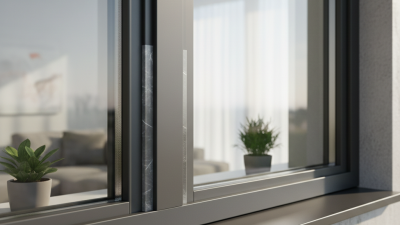
Why Choose Polyurethane Pouring for Aluminum Profiles?
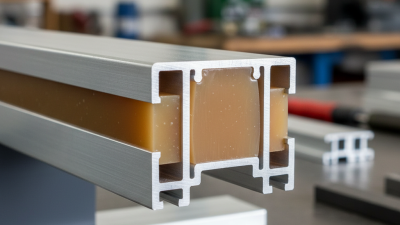
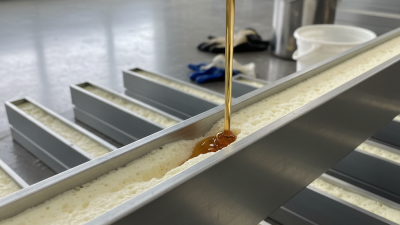
Polyurethane pouring is revolutionizing the manufacturing of aluminum profiles. This innovative process combines unique materials to create high-quality aluminum structures. The benefits of using polyurethane pouring aluminum profile solutions are numerous.
Polyurethane offers excellent flexibility and durability. Unlike traditional methods, it ensures a better fit and finish. This results in a strong bond between the aluminum and the polyurethane. Users often notice enhanced resistance to environmental factors as well. Products withstand extreme temperatures and harsh conditions, which is crucial for many industries.
However, choosing polyurethane pouring isn’t without challenges. Manufacturers must ensure consistency in the mixture and application process. A slight error can impact the final product’s performance. It is essential to work with experienced professionals who understand these dynamics. By doing so, companies can fully leverage the benefits of polyurethane pouring aluminum profiles.
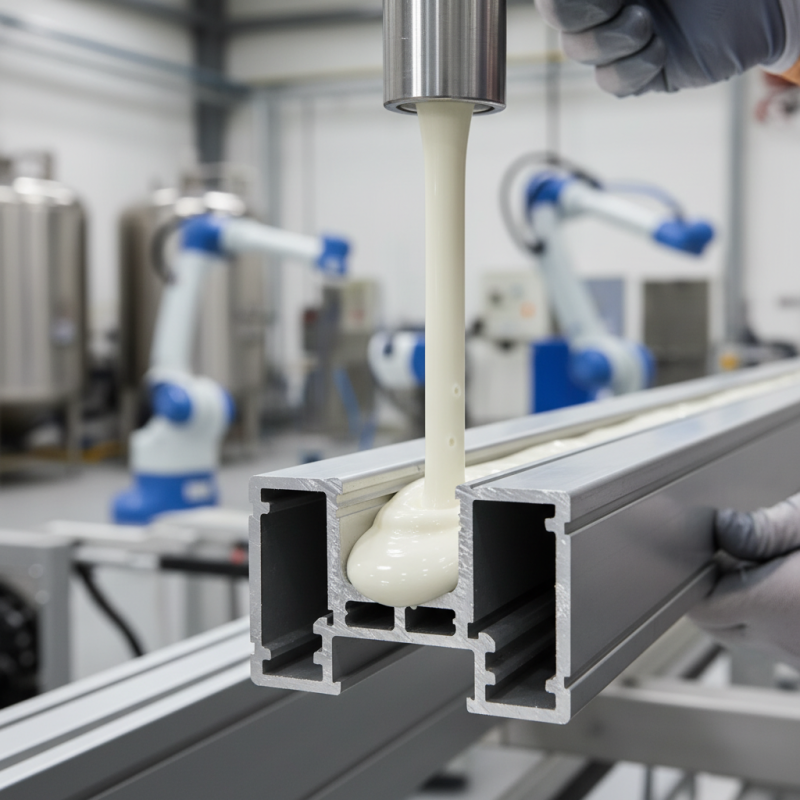
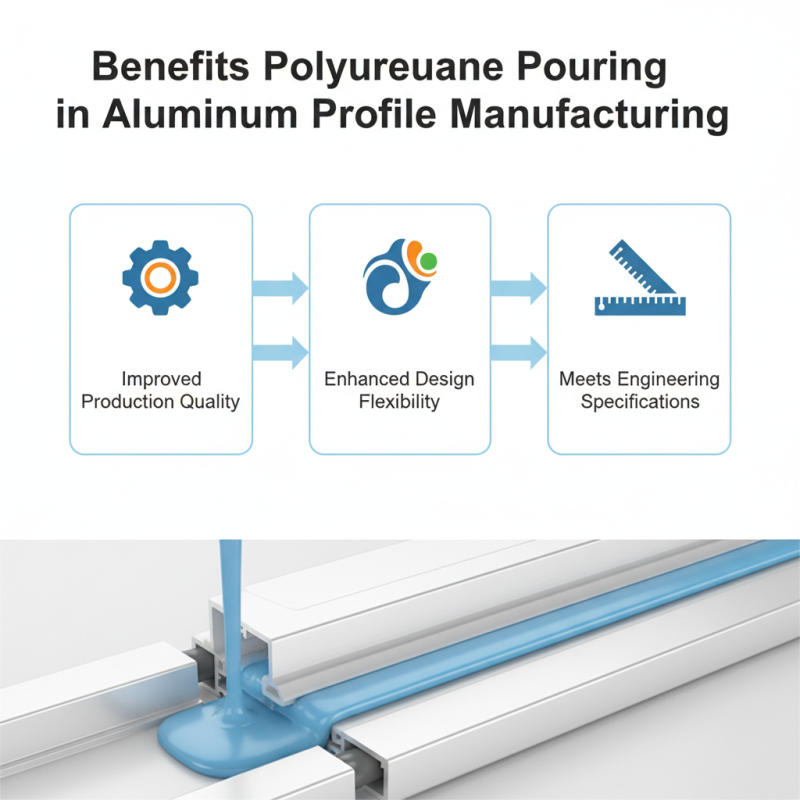
Benefits of Polyurethane Pouring in Aluminum Profile Manufacturing
Polyurethane pouring has become a popular choice in aluminum profile manufacturing. This method offers several notable benefits that enhance production quality. The flexibility of polyurethane helps create intricate designs. It ensures that every profile meets specific engineering needs.
One significant advantage of polyurethane pouring is its excellent durability. Profiles made from this method can withstand various environmental factors. They resist abrasion, chemicals, and temperature fluctuations effectively. This durability leads to longer product lifespans and less frequent replacements.
However, there are challenges to consider. The initial setup costs can be higher compared to other methods. Additionally, the curing time for polyurethane can vary. Manufacturers need to balance these factors against the long-term benefits. Quality control also plays a vital role in minimizing defects. Ensuring consistency is crucial for client satisfaction. Ultimately, the decision to use polyurethane pouring depends on the specific needs of each project.
Comparative Analysis: Polyurethane vs. Other Pouring Methods
Polyurethane pouring offers distinct advantages over traditional methods like gravity casting or sand casting. The flexibility of polyurethane allows for intricate designs with precise dimensions. This method ensures minimal waste, contributing to efficiency. In contrast, gravity and sand casting often result in higher scrap rates due to miscasts. Moreover, polyurethane's quick curing time significantly speeds up production cycles.
When compared to other pouring methods, polyurethane provides enhanced durability. The resulting aluminum profiles exhibit superior strength and resilience. This is crucial for applications where structural integrity is paramount. However, some users may find the initial setup costs higher. It's essential to weigh the long-term benefits against upfront investments. These nuanced factors can impact decision-making for manufacturers.
Although polyurethane pouring is versatile, it may not be the ideal solution for every scenario. Some projects may require specific attributes that only other methods can provide. Understanding these limitations is vital. There are instances where traditional casting methods might yield better results for certain geometries or batch sizes. Evaluating these factors is essential to determine the best choice for a given need.
Why Choose Polyurethane Pouring for Aluminum Profiles?
Economic Impact of Using Polyurethane in Production Processes
Polyurethane pouring has gained traction in aluminum production for several reasons. Its economic impact is significant, especially regarding cost efficiency and waste reduction. When manufacturers switch to polyurethane, they often experience lower raw material costs. The versatility of polyurethane enables its use in various production processes, leading to savings in both time and resources.
Tips: Consider optimizing the mixing ratios of polyurethane components. Small adjustments can lead to better consistency and less material waste.
Manufacturers often overlook initial investment costs. While polyurethane equipment might be costly, the long-term savings can be substantial. Improved product quality often leads to a higher market value for end products. This shift can ultimately boost profitability in competitive markets.
Tips: Evaluate your current production methods. Identifying areas where polyurethane can be integrated may reveal hidden savings.
The process itself demands careful monitoring. Variations in temperature or humidity can affect outcomes, leading to inconsistencies. Hence, investing in training for personnel is crucial. Proper techniques can elevate both efficiency and product quality while minimizing errors.
Environmental Benefits of Polyurethane for Sustainable Manufacturing
Polyurethane pouring has gained traction in the manufacturing of aluminum profiles due to its sustainable benefits. Studies indicate that polyurethane systems can reduce volatile organic compound (VOC) emissions significantly. Research shows these systems can lower VOC emissions by as much as 50%. This reduction contributes to cleaner air and a healthier working environment.
Implementing polyurethane in aluminum profile production also leads to enhanced energy efficiency. The process can cut energy usage by up to 30%, which is crucial as industries strive for greener operations. By minimizing energy consumption, manufacturers can lower their carbon footprint effectively.
Tips: Consider the lifecycle impact of materials. Opt for suppliers that prioritize sustainability. Look for certifications that affirm environmental claims. Rethink traditional methods and explore innovative materials. Polyurethane offers a compelling case for responsible consumption, though challenges remain in material sourcing and scalability. Continuous improvements and evaluations are needed to ensure sustainability promises are met.
Technical Properties of Polyurethane That Enhance Profile Quality
Polyurethane pouring offers distinct advantages for enhancing aluminum profiles. One key property is its excellent adhesion. The strong bond between polyurethane and aluminum ensures durability and resistance to wear. This factor is crucial in applications where profiles must endure harsh conditions. Properly applied, polyurethane enhances the overall structural integrity of the aluminum, leading to improved performance.
Another technical property is flexibility. Polyurethane can withstand significant stress without cracking. This adaptability is vital in components that may experience movement or impact. It provides additional strength while maintaining a lightweight profile. However, achieving the right balance between flexibility and rigidity can be challenging. Experimentation may be required to determine the optimal formulation for specific use cases.
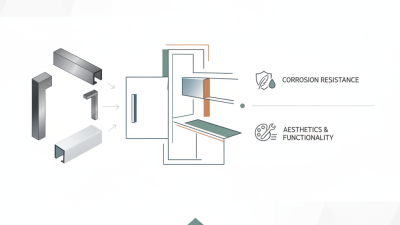
Finally, polyurethane's resistance to chemicals and moisture is noteworthy. These characteristics protect aluminum profiles from corrosion and degradation in various environments. It prolongs the life of the components. Nonetheless, the curing process can be sensitive to environmental conditions. Understanding these variables is essential for consistent results. Making adjustments can lead to better outcomes.
Why Choose Polyurethane Pouring for Aluminum Profiles? - Technical Properties of Polyurethane That Enhance Profile Quality
| Property |
Polyurethane Value |
Impact on Profile Quality |
| Tensile Strength |
25 MPa |
Enhanced structural integrity |
| Flexural Modulus |
800 MPa |
Improved resistance to bending |
| Shore Hardness |
85 Shore A |
Better surface durability |
| Temperature Resistance |
-30°C to 80°C |
Stable performance in varying temperatures |
| Chemical Resistance |
Excellent |
Longer lifespan in harsh environments |